
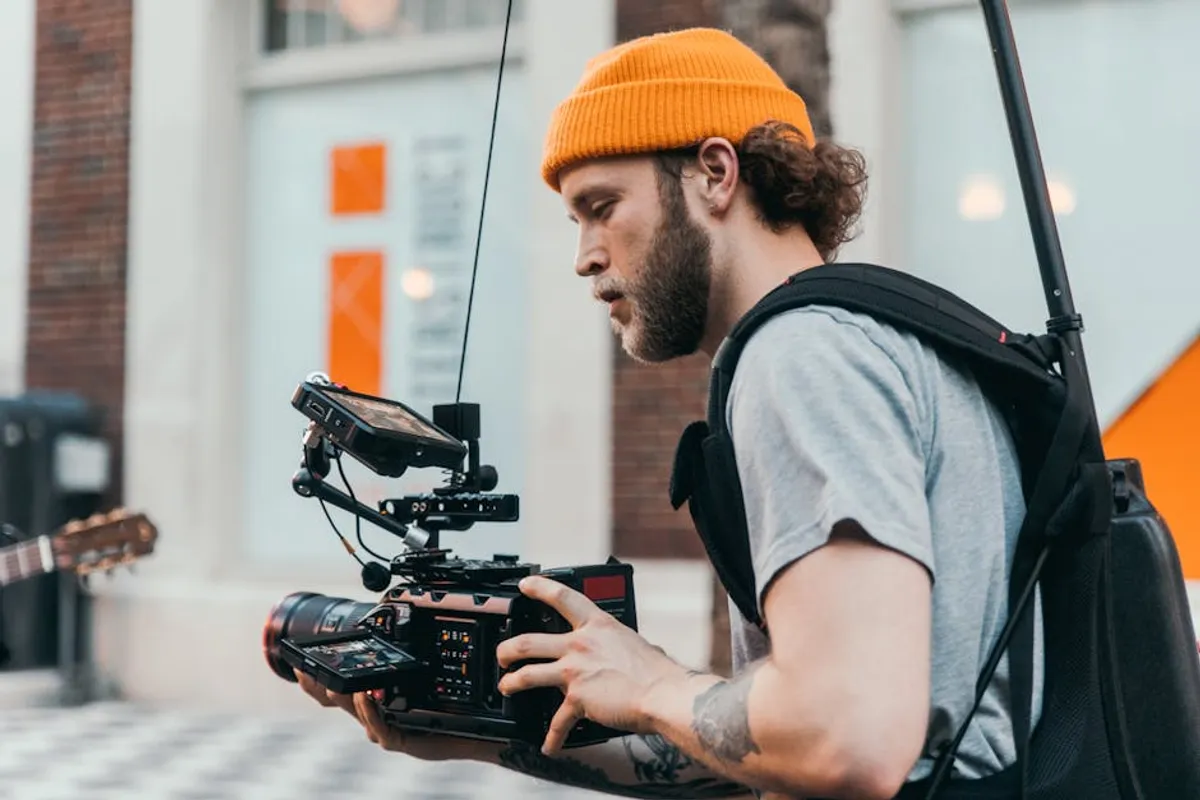
Navigating the independent film landscape for promising titles in 2026 requires a discerning eye, moving beyond mainstream studio releases to identify productions with distinct artistic merit and commercial potential. Unlike blockbusters, indie films often rely on critical acclaim, festival buzz, and word-of-mouth to build an audience. For those tracking cultural trends, understanding market niches, or simply seeking impactful storytelling, recognizing these films early can offer valuable insights into evolving audience preferences and narrative innovation. This selection focuses on titles anticipated to generate significant discussion, whether through bold directorial vision, compelling performances, or timely thematic exploration, providing a curated look at the independent cinema poised to define the year.
What to Look For in Promising Indie Films
Identifying indie films with breakout potential involves evaluating several key indicators beyond initial trailers. Strong directorial vision is paramount; look for filmmakers with a consistent artistic voice or a history of critical success. A compelling, original screenplay, often exploring complex characters or unconventional narratives, signals depth. Festival circuit performance, particularly awards from Sundance, Cannes, or SXSW, frequently precedes wider critical recognition and distribution deals. Performances from emerging talents or established actors taking on challenging roles can elevate a film's profile. Finally, thematic relevance – films that engage with contemporary social, political, or psychological issues – often resonate more deeply with audiences and critics, fostering sustained conversation and commercial longevity in niche markets.
1. The Obsidian Bloom
Directed by Lena Thorne, "The Obsidian Bloom" is a psychological thriller set in a remote, near-future research facility. The film explores themes of artificial intelligence, human consciousness, and isolation as a team of scientists grapples with a sentient plant species. Its visual style is characterized by stark, minimalist cinematography and a deeply unsettling sound design, building tension through atmosphere rather than jump scares. Thorne, known for her intricate character studies, grounds the speculative elements in tangible human anxieties, making the film a cerebral and emotionally resonant experience. The narrative unfolds through fragmented perspectives, challenging the audience to piece together the unfolding mystery and question the nature of intelligence itself.
Best for: Audiences seeking intellectually stimulating sci-fi, psychological thrillers, and films with strong philosophical underpinnings. It appeals to those who appreciate slow-burn narratives and ambiguous endings.
Pros: Exceptional visual storytelling and sound design create a unique, immersive atmosphere. The film's thematic depth offers rich material for discussion and analysis. Strong performances from its small ensemble cast anchor the complex narrative. Early festival buzz highlights its innovative approach to the sci-fi genre.
Cons: Its deliberate pacing and philosophical density may deter viewers accustomed to faster-paced thrillers. The ambiguous ending could be frustrating for some audiences seeking clear resolutions. Limited mass market appeal due to its niche genre and intellectual demands.
Verdict: A meticulously crafted and thought-provoking film that pushes the boundaries of speculative fiction. "The Obsidian Bloom" is a significant artistic achievement, likely to be a critical darling and a favorite among cinephiles.
2. City of Whispers
From debut director Mateo Cruz, "City of Whispers" is a neo-noir mystery set in a fictionalized Latin American metropolis. The film follows a disillusioned detective investigating the disappearance of a prominent journalist, uncovering layers of corruption and social injustice. Cruz employs a gritty, hand-held aesthetic and a vibrant, albeit decaying, urban backdrop to immerse the audience in the city's underbelly. The script, co-written by Cruz, is lauded for its sharp dialogue and complex character arcs, eschewing easy answers in favor of moral ambiguity. Its exploration of power dynamics and systemic failures resonates with contemporary global issues, giving it a timely edge.
Best for: Fans of classic noir, crime dramas with social commentary, and films that offer a strong sense of place and atmosphere. Ideal for audiences who appreciate character-driven mysteries.
Pros: Striking visual style and authentic portrayal of urban decay enhance the noir atmosphere. The narrative is tightly constructed, featuring unexpected twists and turns. Powerful performances from its lead actors, particularly the protagonist, drive the emotional core. Addresses relevant themes of corruption and media censorship.
Cons: The grim subject matter and cynical tone may not appeal to all viewers. Some critics noted a slightly overlong runtime, impacting pacing in the middle act. Its reliance on genre tropes might feel familiar to seasoned noir enthusiasts.
Verdict: A confident and compelling debut that revitalizes the neo-noir genre with a fresh perspective and urgent social commentary. "City of Whispers" is a strong contender for critical recognition and a must-watch for genre aficionados.
3. The Last Cartographer
Helmed by acclaimed documentarian Elara Vance, "The Last Cartographer" marks her narrative feature debut. This poignant drama centers on an elderly, reclusive mapmaker who embarks on a final journey to chart an uncharted, rapidly disappearing wilderness. Shot on location with breathtaking natural cinematography, the film is a meditation on loss, legacy, and humanity's relationship with the natural world. Vance's documentary background enriches the film with an authentic, observational style, making the landscapes feel like characters themselves. The narrative is understated, relying on visual poetry and the protagonist's internal struggle to convey its powerful message about environmental degradation and personal purpose.
Best for: Viewers who appreciate slow cinema, environmental themes, and character studies focused on introspection and existential questions. Suitable for those who value stunning cinematography and a contemplative pace.
Pros: Visually stunning with exceptional landscape cinematography. Offers a deeply moving and timely commentary on environmental loss and the human spirit. The lead performance is subtle yet profoundly impactful. Vance's direction brings a unique, grounded authenticity to the narrative.
Cons: Very slow pacing may test the patience of some viewers. The narrative is minimalistic, prioritizing mood and theme over plot-driven action. Its niche subject matter might limit broader commercial appeal.
Verdict: A visually magnificent and emotionally resonant film that serves as a powerful elegy for vanishing worlds. "The Last Cartographer" is an essential watch for those seeking profound and beautiful cinematic experiences.
4. Echoes in the Attic
Director Kai Chen delivers a chilling folk horror experience with "Echoes in the Attic," set in a remote, ancestral home in rural New England. A young couple inherits the property, only to uncover a dark history and unsettling local traditions that begin to unravel their sanity. Chen masterfully uses sound design and subtle visual cues to build an oppressive atmosphere, drawing inspiration from classic psychological horror while infusing it with contemporary social anxieties. The film delves into themes of inherited trauma, the clash between modernity and tradition, and the psychological impact of isolation, making it more than just a scare-fest.
Best for: Horror enthusiasts who prefer atmospheric, psychological scares over gore, and those interested in folk horror subgenre. Appeals to viewers who appreciate films with deep thematic layers.
Pros: Expertly crafted atmosphere and unsettling tension. The narrative skillfully weaves historical and psychological horror elements. Strong performances from the central couple convey genuine fear and desperation. Explores relevant themes of ancestral trauma and the persistence of the past.
Cons: Its slow-burn approach might not satisfy viewers looking for immediate scares. The ending, while impactful, leaves some questions unanswered, which could be polarizing. Contains disturbing thematic elements that may not be suitable for all audiences.
Verdict: A sophisticated and genuinely terrifying addition to the folk horror canon. "Echoes in the Attic" is a must-see for horror fans who appreciate intelligent storytelling and lasting psychological impact.
5. The Quantum Tourist
From the experimental filmmaker Dr. Aris Thorne, "The Quantum Tourist" is a mind-bending sci-fi drama that challenges perceptions of time and reality. A disillusioned physicist invents a device that allows her to briefly experience parallel timelines, leading to profound existential crises and ethical dilemmas. Thorne, a former theoretical physicist, infuses the script with plausible scientific concepts, making the fantastical elements feel grounded. The film employs innovative visual effects and non-linear storytelling to mirror its complex themes, creating a disorienting yet ultimately rewarding viewing experience. It's a film that demands active engagement from its audience.
Best for: Fans of cerebral science fiction, philosophical narratives, and experimental filmmaking. Ideal for viewers who enjoy complex puzzles and films that provoke deep thought about reality and choice.
Pros: Highly original concept grounded in scientific theory. Innovative visual effects and narrative structure enhance the thematic complexity. Provokes significant intellectual discussion about free will and the multiverse. Features a standout lead performance that grounds the abstract ideas.
Cons: Its highly complex plot and non-linear structure can be challenging to follow, requiring multiple viewings for full comprehension. The abstract nature may alienate viewers seeking more straightforward narratives. Limited emotional accessibility due to its intellectual focus.
Verdict: A groundbreaking and intellectually ambitious film that redefines the possibilities of science fiction. "The Quantum Tourist" is a significant work that will be discussed and analyzed for years to come.
6. Sunshine State of Mind
Director Chloe Davis delivers a vibrant and poignant coming-of-age story with "Sunshine State of Mind." Set against the backdrop of a Florida summer, the film follows a group of teenagers navigating first loves, friendships, and the looming uncertainties of adulthood. Davis captures the nostalgic essence of youth with a warm, naturalistic aesthetic and a soundtrack that perfectly complements the emotional beats. The script is praised for its authentic dialogue and nuanced portrayal of adolescent anxieties and joys, avoiding clichés common in the genre. It's a film that resonates with universal experiences of growing up, while maintaining a distinct sense of place.
Best for: Audiences who enjoy heartfelt coming-of-age dramas, character-driven narratives, and films that evoke a strong sense of nostalgia. Suitable for viewers of all ages who appreciate genuine emotional storytelling.
Pros: Authentic and relatable portrayal of adolescence. Strong ensemble cast with breakout performances from its young leads. Beautiful cinematography captures the essence of summer. The narrative is emotionally resonant without being overly sentimental.
Cons: Some critics found the plot to be somewhat conventional, relying heavily on character development. Its gentle pacing might not appeal to viewers seeking high-stakes drama. The film's specific regional setting might not resonate universally with all audiences.
Verdict: A charming and deeply felt exploration of youth that captures the bittersweet beauty of growing up. "Sunshine State of Mind" is a refreshing and emotionally satisfying watch.
7. The Golden Cage
From the provocative director Anya Singh, "The Golden Cage" is a searing social satire exploring the absurdities of extreme wealth and privilege. The film follows a dysfunctional aristocratic family whose lavish lifestyle is slowly unraveling, exposing their moral bankruptcy and superficiality. Singh employs a darkly comedic tone, sharp dialogue, and elaborate production design to create a world that is both glamorous and grotesque. The ensemble cast delivers biting performances, highlighting the characters' self-absorption and detachment from reality. It’s a timely critique of class disparities and the performative nature of modern elite culture.
Best for: Viewers who enjoy dark comedies, social satires, and films that offer a critical lens on contemporary societal issues. Ideal for those who appreciate sharp writing and ensemble performances.
Pros: Witty and incisive script with razor-sharp dialogue. Outstanding ensemble cast delivers memorable, layered performances. Visually opulent production design contrasts effectively with the characters' moral decay. Provides a relevant and biting commentary on wealth and class.
Cons: Its cynical tone and unsympathetic characters may not appeal to all audiences. Some viewers might find the satire too broad or heavy-handed at times. The film's critical perspective could be polarizing for certain demographics.
Verdict: A brilliant and audacious satire that skewers the elite with precision and humor. "The Golden Cage" is a must-watch for anyone who appreciates intelligent social commentary served with a comedic edge.
8. Beneath the Surface
Documentarian Leo Kim makes a striking transition to narrative features with "Beneath the Surface," a tense survival thriller set in the deep ocean. A solo marine biologist conducting research in an isolated submersible experiences a catastrophic equipment failure, trapping her miles beneath the waves. Kim leverages his expertise in realistic environments, creating an incredibly claustrophobic and immersive experience. The film is a masterclass in tension building, relying heavily on sound design, the protagonist's internal monologue, and minimal visual effects to convey the terror of her predicament. It's a testament to human resilience and the unforgiving power of nature.
Best for: Thriller fans, especially those who appreciate survival stories and claustrophobic tension. Appeals to viewers interested in the psychological aspects of extreme isolation and fight for survival.
Pros: Incredibly immersive and tension-filled experience. Features a powerful, solitary lead performance that carries the entire film. Expert use of sound design and minimal visuals heightens the sense of dread. Explores themes of human resilience and the vastness of the natural world.
Cons: The intense claustrophobia and isolation may be overwhelming for some viewers. Its singular focus on the protagonist's struggle means limited character interaction. The film's relentless tension might be exhausting for sensitive audiences.
Verdict: A gripping and intensely psychological survival thriller that will leave audiences breathless. "Beneath the Surface" is a powerful testament to the human will to survive against impossible odds.
9. The Memory Weaver
Directed by Sofia Rodriguez, "The Memory Weaver" is a poignant magical realism drama exploring grief and the power of remembrance. In a world where memories can be physically manifested and shared, a woman hires a "memory weaver" to recreate her deceased husband, leading to unexpected emotional consequences. Rodriguez's direction is sensitive and visually imaginative, blending the fantastical elements seamlessly with raw human emotion. The film's production design and special effects are understated but effective, serving the narrative's emotional core rather than dominating it. It’s a profound exploration of loss, attachment, and the complexities of healing.
Best for: Audiences who enjoy magical realism, emotional dramas, and films that delve into complex themes of grief and human connection. Ideal for those who appreciate imaginative storytelling with a strong emotional core.
Pros: Beautifully imagined concept that explores grief in a unique way. Emotionally resonant performances, particularly from the lead actress. Visual effects are tasteful and enhance the magical realism. Offers a profound and hopeful perspective on loss and memory.
Cons: The fantastical premise might not appeal to strictly realistic drama enthusiasts. Its emotional intensity could be overwhelming for some viewers. The pacing, while deliberate, might feel slow in places for those seeking more plot-driven narratives.
Verdict: A deeply moving and exquisitely crafted film that offers a fresh, imaginative perspective on the universal experience of loss. "The Memory Weaver" is a truly special and unforgettable cinematic journey.
10. Paper Birds
From the visionary animator and director, Hiroshi Tanaka, "Paper Birds" is a stop-motion animated feature that tells a fable-like story of a young boy's journey through a war-torn landscape, guided by origami creatures. Tanaka's meticulous craftsmanship and distinctive visual style create a world that is both fragile and resilient. The film, while animated, addresses mature themes of conflict, hope, and the power of imagination in adversity, making it accessible and impactful for both children and adults. Its non-dialogue approach relies on visual storytelling and an evocative musical score to convey its powerful message, transcending language barriers.
Best for: Animation enthusiasts, families seeking meaningful storytelling, and audiences who appreciate visual artistry and allegorical narratives. Suitable for those who enjoy films that communicate through imagery and music.
Pros: Stunning and unique stop-motion animation style. Powerful and universally resonant themes of hope and resilience. Non-dialogue approach makes it accessible globally. Evocative musical score enhances the emotional impact. Critically acclaimed for its artistic merit and emotional depth.
Cons: The serious subject matter, despite the animation, might be too intense for very young children. Its slower, more contemplative pacing differs from mainstream animated features. Limited appeal for viewers who prefer traditional narrative structures and dialogue.
Verdict: A breathtaking and deeply moving animated masterpiece that transcends its medium. "Paper Birds" is an essential cinematic experience, offering a profound message through exquisite artistry.
11. The Infinite Loop
Director Maya Sharma’s "The Infinite Loop" is a high-concept thriller that plays with time and consequence. A programmer develops an algorithm that can predict future events with 100% accuracy, but each prediction creates a new, unforeseen paradox. Sharma, known for her intricate plotting, crafts a narrative that is both intellectually stimulating and viscerally exciting. The film uses a sleek, modern aesthetic and a pulsing electronic score to underscore its technological themes. It’s a commentary on the dangers of unchecked innovation and the human desire to control the uncontrollable, building tension through escalating moral dilemmas.
Best for: Fans of smart thrillers, tech-driven narratives, and films that explore ethical questions stemming from advanced technology. Appeals to those who enjoy complex plots and fast-paced storytelling.
Pros: Highly original and intellectually engaging premise. Tightly plotted narrative with continuous twists and turns. Excellent pacing that keeps audiences on the edge of their seats. Raises compelling ethical questions about technology and free will. Strong lead performance grounds the high-concept plot.
Cons: The complex scientific concepts might require close attention to follow. Some critics noted that the film prioritizes plot mechanics over deep character development. The ending, while logical, might feel a bit cold or deterministic for some viewers.
Verdict: A brilliant and exhilarating techno-thriller that delivers both intellectual stimulation and relentless suspense. "The Infinite Loop" is a standout example of intelligent genre filmmaking.
12. Where the River Ends
Co-directed by filmmaking duo Omar and Zara Khan, "Where the River Ends" is a lyrical drama about two estranged siblings who must journey together to scatter their father’s ashes in a remote, sacred river. The film is a contemplative road trip that explores themes of family, reconciliation, and cultural identity against a stunning natural landscape. The Khans employ a naturalistic style, allowing the performances and the environment to speak volumes. The narrative unfolds through quiet moments and subtle interactions, building emotional depth without resorting to overt melodrama. It's a journey of healing and rediscovery, both personal and familial.
Best for: Viewers who appreciate character-driven dramas, films about family dynamics, and narratives that emphasize natural landscapes. Ideal for those seeking a reflective and emotionally nuanced cinematic experience.
Pros: Beautifully shot with evocative natural scenery. Strong, nuanced performances from the lead actors as they navigate complex family history. Explores themes of grief, forgiveness, and cultural heritage with sensitivity. The pacing allows for deep emotional resonance and character exploration.
Cons: Its deliberate and quiet pacing may not appeal to audiences seeking faster-moving narratives. The emotional arc is subtle, requiring patience from the viewer. Limited action or external conflict, focusing primarily on internal struggles.
Verdict: A tender and exquisitely crafted drama that offers a profound meditation on family bonds and the process of healing. "Where the River Ends" is a deeply affecting and visually stunning film.
Identifying Impactful Indie Films and Cultivating Audience Engagement
For marketers and content strategists, understanding the trajectory of indie films goes beyond simple viewership; it involves recognizing their potential for cultural impact and niche audience engagement. Successful indie films often generate disproportionate buzz relative to their budgets by tapping into specific cultural conversations or artistic sensibilities. Look for films that excel in festival performance, as these platforms serve as early indicators of critical reception and industry interest. Pay attention to unique directorial voices and compelling thematic content, as these elements drive organic discussion and critical advocacy. Engaging with these films early can inform content strategies around emerging trends, audience demographics, and the narratives that resonate most deeply. Success isn't just box office; it's also about critical consensus, awards recognition, and sustained cultural relevance, all of which contribute to a film's long-term commercial value through licensing, streaming, and educational use.
Frequently Asked Questions About Indie Films
What defines an "indie film"?
An indie film, or independent film, is typically produced outside of the major film studio system. This often means it has a lower budget, a unique artistic vision unconstrained by commercial pressures, and independent financing and distribution. The term primarily refers to the production method rather than a specific genre.
How do indie films get discovered and distributed?
Indie films often gain initial exposure through film festivals (e.g., Sundance, Cannes, Toronto, SXSW). Positive reception at these festivals can lead to distribution deals with independent distributors, streaming platforms, or smaller theatrical releases. Word-of-mouth and critical reviews are crucial for building an audience.
Are indie films always low budget?
While many indie films have smaller budgets compared to studio blockbusters, the term "indie" doesn't strictly mean low-budget. Some independent productions can have substantial financing, but they maintain creative control outside of major studio influence. The defining characteristic is independence from the traditional studio system.
Why should I pay attention to indie films?
Indie films are often sources of innovative storytelling, emerging talent (directors, actors, writers), and critical social commentary. They frequently push artistic boundaries and explore diverse perspectives not typically found in mainstream cinema. For those tracking cultural trends or seeking unique content, they offer valuable insights into the evolving landscape of film and audience interests.
How can I find out about upcoming indie films



