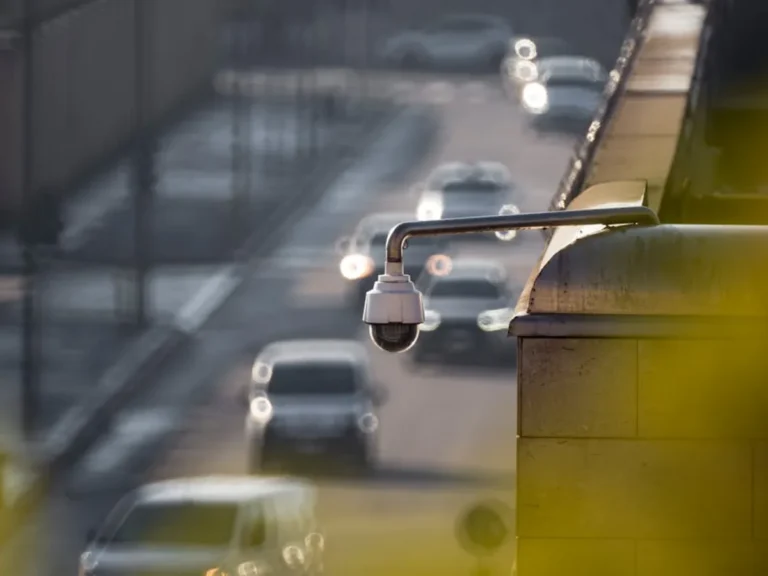
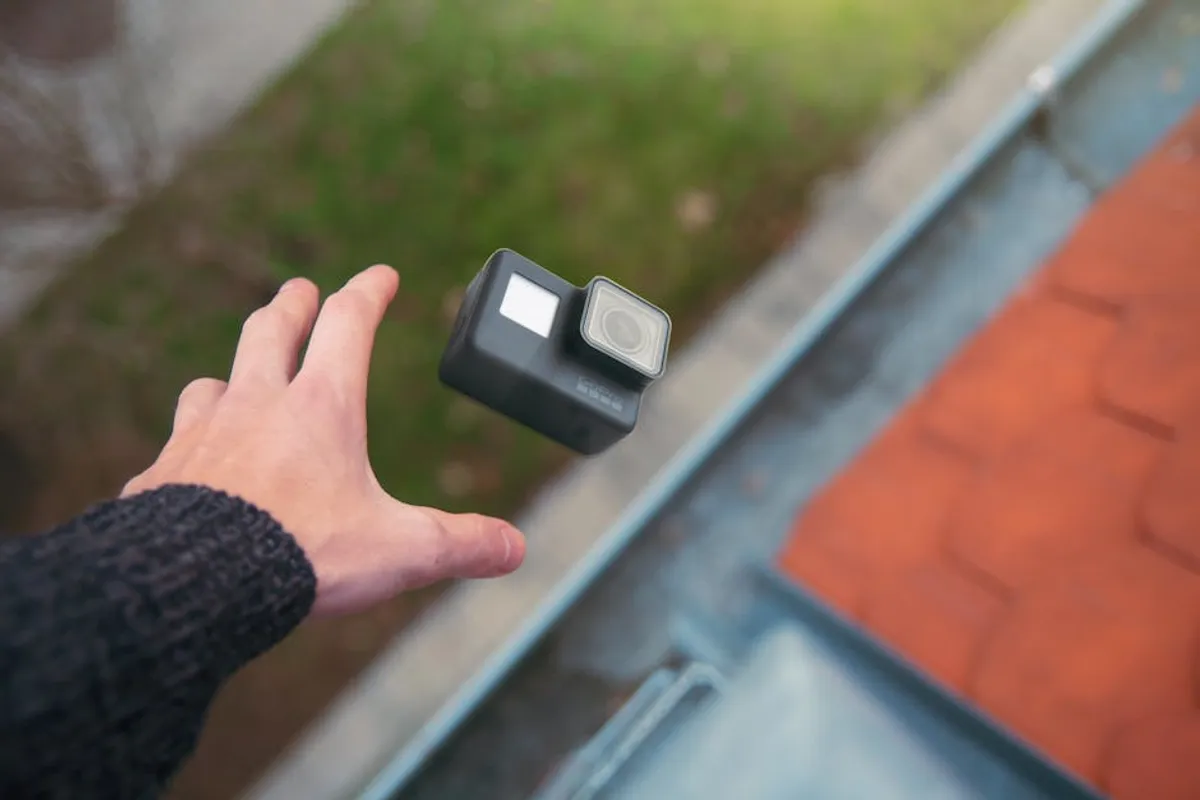
Understanding current camera movement trends is critical for any agency, marketer, or content creator aiming to produce engaging and commercially effective video content. The way a camera moves dictates pacing, conveys emotion, and directs audience attention, directly impacting viewer retention and message recall. Ignoring these evolving techniques means risking static, unmemorable content that fails to compete in a visually dynamic digital landscape. This analysis details the most impactful camera movement trends, explaining their technical underpinnings and outlining their specific commercial advantages, enabling you to strategically integrate them into your production workflows. Understanding how a camera moves dictates pacing, conveys emotion, and directs audience attention, directly impacting viewer retention and message recall.
The Rise of Immersive and First-Person Perspective (FPV) Shots
Immersive camera movements, particularly those leveraging First-Person Perspective (FPV), are redefining how audiences experience video. This trend moves beyond traditional cinematic framing to place the viewer directly within the action, fostering a stronger sense of presence and engagement. FPV drones, for instance, can navigate complex environments at high speeds, providing a continuous, fluid shot that mimics human perception or even augmented reality interfaces.
- Technical Foundation: Miniaturized, stabilized cameras mounted on agile drones (e.g., cinewhoops) or specialized gimbals. Advanced flight control systems allow for precise, repeatable movements through tight spaces.
- Commercial Advantage:
- Enhanced Product Showcases: FPV can guide viewers through a product's features or a location's amenities with a dynamic, unbroken journey, making the experience more visceral than static shots.
- Increased Engagement for Brand Storytelling: By putting the audience "in the shoes" of a character or observer, brands can create more empathetic and memorable narratives, particularly effective for adventure, sports, or experiential marketing.
- Distinction in Competitive Markets: The unique perspective and technical skill required for complex FPV shots differentiate content, capturing attention in crowded feeds.
Advanced Stabilization and Dynamic Tracking
The ubiquity of sophisticated gimbals and software-based stabilization has made previously complex camera movements accessible, enabling dynamic tracking shots that maintain subject focus with remarkable fluidity. This trend is less about entirely new movements and more about perfecting and democratizing technically challenging ones, allowing for more ambitious and polished productions without Hollywood-level budgets.
Best for: Documentaries, product advertisements requiring smooth object tracking, event coverage, and narrative filmmaking where consistent subject framing is paramount across varied terrain.
Modern gimbals now feature advanced algorithms and integrated AI for predictive tracking, allowing operators to focus on composition rather than fighting micro-jitters. Post-production stabilization software also plays a significant role, often salvaging footage that would have been unusable just a few years ago. This combination creates a seamless visual experience that feels both natural and professionally executed.
Virtual Production and Extended Reality (XR) Integration
Camera movement in virtual production environments, often utilizing LED walls and real-time rendering engines, represents a significant shift. Here, physical cameras track their position within a digital 3D world, allowing virtual backgrounds to parallax correctly with foreground elements. This isn't just about static backgrounds; it involves dynamic camera moves through entirely synthetic or augmented spaces.
Impact on Content: This trend blurs the lines between physical and digital, enabling creators to execute impossible camera moves—flying through a digital city, exploring alien landscapes, or manipulating scale—all while actors perform on a physical set. The commercial benefit lies in unprecedented creative freedom, reduced location scouting and travel costs, and the ability to iterate on visual effects in real time during production.
Pro Tip: While adopting new camera movement techniques can elevate your content, always prioritize story and message. A technically impressive shot that doesn't serve the narrative or commercial objective is merely a distraction. Evaluate whether a trend enhances clarity, emotion, or impact, rather than implementing it for novelty alone. While adopting new camera movement techniques can elevate your content, always prioritize story and message, and avoid common camera movement mistakes.
Computational Cinematography and AI-Assisted Framing
The integration of AI and computational methods into camera systems is leading to what can be termed "computational cinematography." This involves cameras that can autonomously track subjects, adjust framing, and even predict movement paths, moving beyond simple facial recognition to intelligent scene analysis. This trend is particularly evident in smart cameras for live streaming, video conferencing, and automated content creation.
Commercial Application:
- Automated Event Coverage: For conferences, sports, or educational content, AI-driven cameras can autonomously follow speakers or action, reducing the need for multiple human operators.
- Dynamic Social Media Content: Platforms are increasingly using AI to auto-reframe or enhance user-generated content with subtle camera movements, improving overall visual appeal.
- Personalized Marketing: Future applications could involve AI-generated camera paths tailored to individual viewer preferences, optimizing engagement for specific demographics.
Democratization of Sophisticated Movement
The decreasing cost and increasing accessibility of advanced camera stabilization, drone technology, and even virtual production tools mean that sophisticated camera movements are no longer exclusive to high-budget productions. Small agencies, independent creators, and in-house marketing teams can now achieve visual quality once reserved for major studios.
This democratization drives innovation, as more creators experiment with complex movements, pushing the boundaries of visual storytelling. For businesses, this means higher audience expectations across all content tiers, necessitating a continuous evaluation of production quality to remain competitive.
Strategic Application of Camera Movement Trends
To effectively leverage these camera movement trends, agencies and marketers must move beyond simply acquiring new gear. The focus should be on integrating these techniques purposefully to achieve specific commercial goals. This involves understanding the emotional and psychological impact of each movement type and applying it where it amplifies the message, not just where it looks "cool."
Consider the target audience's consumption habits. Short-form content on platforms like TikTok or Instagram often benefits from rapid, dynamic camera work (e.g., FPV, quick cuts), while longer-form brand documentaries might utilize smoother, more deliberate tracking shots for narrative depth. Regular auditing of competitor content and audience engagement metrics will reveal which movement styles resonate most effectively within your specific niche.
Staying Ahead in Visual Storytelling
The landscape of camera movement is constantly evolving, driven by technological advancements and shifting audience preferences. For commercial entities, staying informed is not merely about aesthetic choice but about maintaining a competitive edge. Regularly assess new hardware releases, software updates for stabilization and virtual production, and emerging creative techniques from leading content creators. Integrate pilot projects to test new movement styles with your audience, gathering data on engagement and conversion metrics. This iterative approach ensures your visual content remains fresh, impactful, and aligned with current audience expectations.
Frequently Asked Questions
What is the most impactful new camera movement trend for marketing videos?
FPV drone cinematography is currently one of the most impactful trends, offering immersive, dynamic perspectives that capture attention and allow for unique product or location showcases. Its ability to navigate complex spaces fluidly creates a strong sense of presence for the viewer.
Do I need expensive equipment to implement these trends?
Not necessarily for all trends. While high-end virtual production setups are costly, advanced gimbals for smoother tracking are increasingly affordable. Even smartphones with good stabilization and editing apps can mimic some dynamic movements. The key is creative application, not just expensive gear.
How can camera movement improve my content's commercial performance?
Effective camera movement enhances audience engagement by directing attention, conveying emotion, and creating a more immersive experience. This can lead to increased viewer retention, better brand recall, higher click-through rates on calls to action, and ultimately, improved conversion rates.
Should I use every new camera movement trend in my videos?
No. The most effective strategy is to selectively apply trends that align with your brand's message, target audience, and specific content goals. Overuse or inappropriate application of trendy movements can distract from your core message or appear disingenuous.