
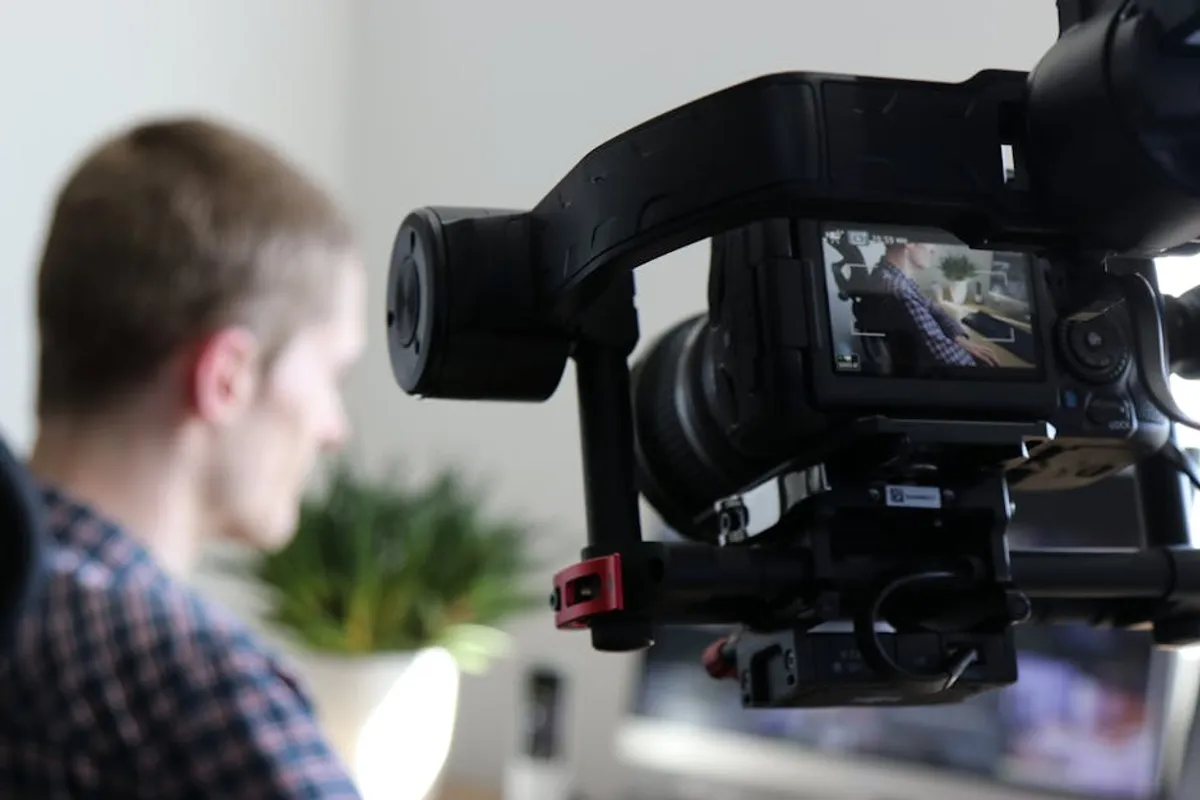
For film fans, understanding cinematography transforms passive viewing into active appreciation, revealing the deliberate choices that shape emotional response and narrative impact. This knowledge is not merely academic; it enhances critical analysis, informs content creation, and deepens engagement with visual storytelling across all media, from feature films to commercial campaigns. By dissecting the visual components, viewers gain a richer context for a director's vision and a more nuanced appreciation for the craft involved in every frame. This foundational insight into how images are constructed and manipulated is invaluable for anyone seeking to move beyond surface-level consumption of visual content.
Understanding the Visual Language of Film
Composition: Framing the Story
Composition dictates how elements are arranged within the frame, guiding the viewer's eye and conveying information or emotion without dialogue. Directors and cinematographers meticulously plan these arrangements to emphasize subjects, create depth, or establish power dynamics. Effective composition ensures that every visual component serves the narrative, making the image both aesthetically pleasing and narratively potent.
- Rule of Thirds: A fundamental guideline, not a rigid rule, where the frame is divided into nine equal sections by two horizontal and two vertical lines. Placing key subjects or points of interest along these lines or at their intersections often creates a more balanced and engaging image than simply centering the subject. This technique subtly draws attention and adds visual interest.
- Leading Lines: Natural or artificial lines within the frame (roads, fences, horizons) that draw the viewer's eye towards a specific point of interest, creating depth and direction. Their strategic use can build anticipation or emphasize distance.
- Negative Space: The empty area around and between subjects. When used intentionally, negative space can highlight the subject, create a sense of isolation, or provide breathing room, influencing the viewer's emotional response to the scene.
Lighting: Shaping Mood and Focus
Lighting is arguably the most powerful tool in a cinematographer's arsenal, directly influencing mood, atmosphere, and the audience's perception of characters and settings. It can obscure details, reveal textures, and create dramatic contrasts, all contributing to the film's emotional and narrative core.
Three-Point Lighting Explained: This standard setup uses three primary lights to illuminate a subject effectively and sculpt their form:
- Key Light: The main source of illumination, typically positioned to one side of the camera, providing the dominant light on the subject. Its intensity and angle determine the overall brightness and primary shadow direction.
- Fill Light: Placed opposite the key light, this softer light reduces harsh shadows created by the key light, adding detail to the darker areas. Its intensity controls the contrast ratio.
- Backlight (or Rim Light): Positioned behind the subject, it separates them from the background, creating a subtle halo effect and adding depth to the image.
High-Key vs. Low-Key Illumination: These two lighting styles produce distinct emotional responses. High-key lighting features bright, even illumination with minimal shadows, often used in comedies or musicals to convey optimism and openness. Low-key lighting, conversely, uses strong contrasts, deep shadows, and often a single light source, common in thrillers or dramas to evoke mystery, tension, or despair.
Camera Movement: Guiding the Viewer's Eye
Camera movement is not merely about following action; it’s a dynamic storytelling device that controls pacing, reveals information, and influences the audience's emotional connection to the scene. Each type of movement serves a specific narrative purpose.
Dynamic Motion: Panning, Tilting, Tracking:
- Pan: Horizontal rotation of the camera from a fixed axis, often used to follow a character or reveal a landscape.
- Tilt: Vertical rotation of the camera from a fixed axis, used to look up or down, revealing height or emphasizing a character's gaze.
- Tracking (or Dolly Shot): The camera moves physically through space, typically on tracks or a dolly, alongside the subject or through a scene. This creates a sense of immersion and allows for complex spatial relationships to be explored.
Stabilized Movement: Dolly, Crane, Steadicam:
- Dolly: A wheeled cart on which the camera is mounted, allowing for smooth, controlled movement towards, away from, or alongside a subject.
- Crane: A large mechanical arm that lifts the camera high into the air, providing sweeping overhead shots or complex vertical movements.
- Steadicam: A camera stabilizing system that allows the operator to walk or run while capturing smooth, fluid shots, often mimicking a character's perspective or creating an immersive, unencumbered feel.
Shot Types and Angles: Controlling Perspective
The choice of shot type and camera angle directly controls how much information the audience receives and how they emotionally connect with the subject. These choices are deliberate, designed to manipulate perception and deepen narrative meaning.
Establishing Shots to Intimate Close-Ups:
- Extreme Wide Shot: Shows the subject from a vast distance, often used to establish setting or emphasize isolation.
- Wide Shot (or Long Shot): Shows the entire subject within its environment, providing context.
- Medium Shot: Frames a subject from the waist up, common for dialogue scenes, balancing character and setting.
- Close-Up: Focuses on a specific part of the subject, typically the face, to convey emotion or highlight detail.
- Extreme Close-Up: Magnifies a very small detail, such as an eye or a specific object, for intense emotional impact or narrative emphasis.
The Emotional Impact of Camera Angles:
- Eye-Level Shot: The most common angle, placing the viewer on equal footing with the subject, fostering neutrality.
- High-Angle Shot: The camera looks down on the subject, often making them appear vulnerable, small, or insignificant.
- Low-Angle Shot: The camera looks up at the subject, making them appear powerful, dominant, or imposing.
- Dutch Angle (or Canted Angle): The camera is tilted, creating a disorienting or unsettling effect, often used to convey psychological unease or chaos.
Color and Lenses: Subtlety and Impact
Beyond the literal image, color theory and lens choice contribute significantly to the film's aesthetic and emotional resonance, often operating on a subconscious level to influence viewer perception.
Color Theory in Film: Symbolism and Palette: Colors are rarely chosen arbitrarily. They carry symbolic weight and can evoke specific emotions. A film's color palette – the range of colors used – is often meticulously planned to support themes, character arcs, or narrative shifts. For instance, warm colors (reds, yellows) can signify passion or danger, while cool colors (blues, greens) might suggest calm, sadness, or detachment. Consistent color grading across a film ensures visual cohesion and reinforces thematic elements.
Lens Choice: Manipulating Perception and Depth: The choice of lens (its focal length) profoundly impacts how space, distance, and perspective are rendered on screen.
- Wide-Angle Lenses (e.g., 24mm, 35mm): Exaggerate perspective, make spaces appear larger, and keep more elements in focus (greater depth of field). Often used for establishing shots or to create a sense of vastness or distortion.
- Normal Lenses (e.g., 50mm): Mimic human vision, providing a natural perspective without significant distortion. Ideal for realistic portrayal and balanced compositions.
- Telephoto Lenses (e.g., 85mm, 135mm+): Compress perspective, making subjects appear closer together, and create shallow depth of field (blurring the background). Excellent for isolating subjects, creating intimacy, or emphasizing surveillance.
Pro Tip: When watching a film, consciously select one cinematographic element—like lighting or camera movement—and focus exclusively on how it's used in a particular scene. Ask yourself: "What emotional response is this technique trying to elicit?" and "How does it advance the story or reveal character?" This focused observation deepens your understanding beyond passive enjoyment.
Applying Cinematographic Insights
Engaging with film on a cinematographic level moves beyond simply following the plot. It involves recognizing the deliberate artistic and technical decisions that shape every visual moment. This enhanced perspective allows you to appreciate the nuanced storytelling embedded within the imagery, understanding why certain scenes feel tense, intimate, or expansive. It also provides a critical framework for evaluating the effectiveness of visual choices in conveying narrative intent and emotional depth. This deeper engagement enriches your overall film consumption and offers a transferable skill set for analyzing visual content across all platforms.
Frequently Asked Questions
What is the primary role of a cinematographer?
The cinematographer, or Director of Photography (DP), is responsible for the visual aesthetic of a film. They translate the director's vision into concrete images, overseeing camera and lighting crews, making decisions on shot composition, lighting, camera movement, and lens choices to achieve the desired look and emotional impact.
How does cinematography affect a film's genre?
Cinematography heavily influences genre by establishing visual conventions. For instance, horror films often use low-key lighting, Dutch angles, and close-ups to create suspense and discomfort. Comedies might employ brighter, high-key lighting and wider shots. The visual style sets audience expectations and reinforces the genre's specific narrative and emotional goals.
Can understanding cinematography improve my own content creation?
Absolutely. Whether you're shooting a short video, creating a presentation, or designing social media graphics, applying basic cinematographic principles like composition, effective lighting, and thoughtful framing can significantly elevate the quality and impact of your visual content. It helps you communicate messages more clearly and engage your audience more effectively.
Is there a single "best" cinematographic technique?
No, there isn't a universally "best" technique. The most effective cinematographic choice is always the one that best serves the specific story, character, and emotional beat of a particular scene. Great cinematography is about intentionality and purpose, not adherence to a single method.



