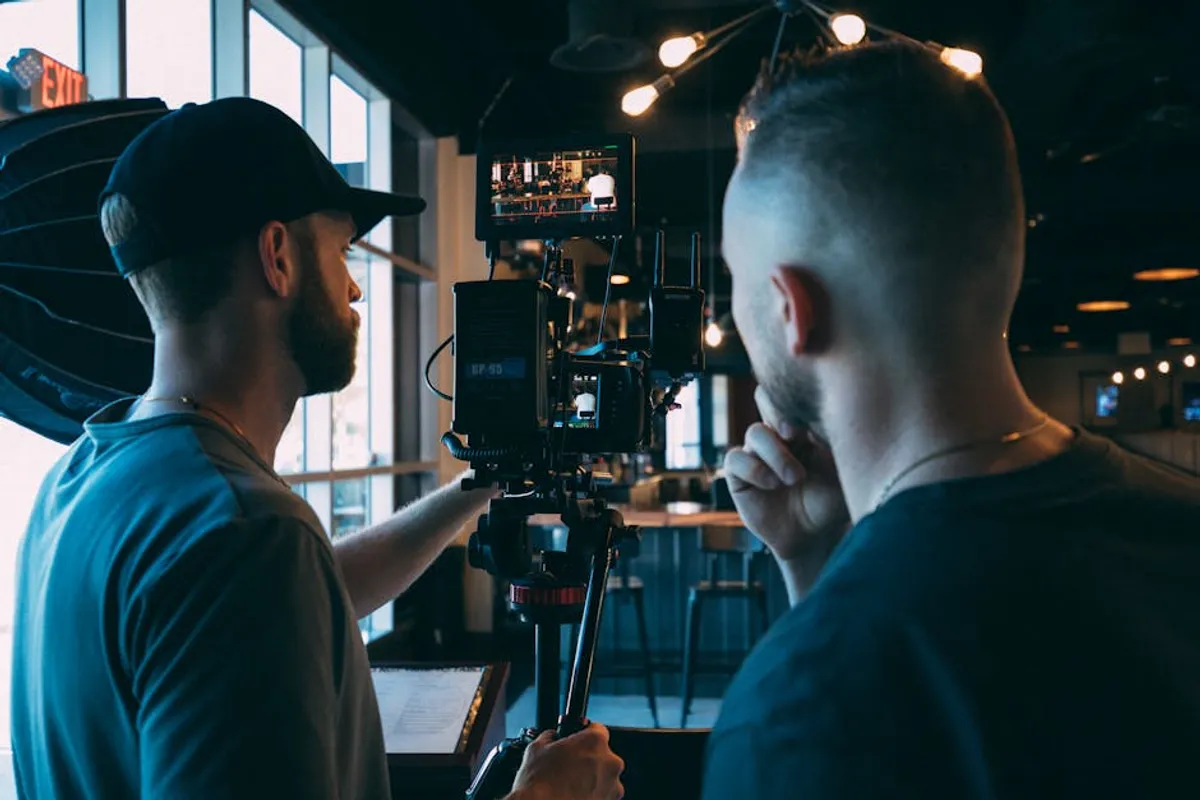
Effective cinematography transcends merely capturing images; it involves making deliberate visual choices that shape narrative, evoke emotion, and ultimately impact audience engagement. For content creators, marketers, and filmmakers, understanding the distinct philosophies and practical applications behind various cinematography techniques is crucial for achieving specific commercial and artistic objectives. This guide compares common approaches across key cinematic disciplines, highlighting their trade-offs and optimal use cases to inform strategic decision-making in visual production. Many foundational concepts are covered in beginner cinematography tips that can elevate your work.
Lighting Approaches: Natural vs. Artificial
The fundamental choice between natural and artificial light dictates a scene's mood, texture, and production efficiency. Each approach carries distinct implications for budget, schedule, and aesthetic outcome.
Leveraging Natural Light
Natural light, sourced from the sun or existing ambient indoor illumination, offers an organic, often softer quality. Its primary commercial advantage lies in cost reduction and setup speed; fewer dedicated lighting fixtures and personnel mean faster shooting schedules and lower equipment rentals. However, its inherent variability, especially outdoors, demands constant monitoring and adaptation, which can introduce unpredictability. Cinematographers frequently employ diffusion materials, reflectors, or bounce cards to shape and enhance natural light, optimizing its quality without complex artificial setups. This approach is ideal for projects prioritizing realism, intimacy, or a documentary aesthetic, where a 'found' look enhances authenticity and production agility.
Mastering Artificial Lighting
Artificial lighting provides unparalleled control over intensity, color temperature, and direction. While requiring more equipment, power, and often specialized lighting technicians, it enables precise mood creation, selective emphasis, and consistent visual branding across diverse scenes or an entire series. Commercial productions and high-end narratives frequently rely on artificial sources to sculpt faces, generate dramatic shadows, or simulate specific times of day, ensuring a polished, controlled aesthetic. The investment in gear and skilled personnel translates directly into the ability to achieve highly stylized or technically complex visual outcomes, essential for projects demanding a specific, repeatable visual language or brand identity.
Compositional Strategies: Rule of Thirds vs. Leading Lines vs. Negative Space
Composition is the deliberate arrangement of visual elements within the frame. Different strategies guide the viewer's eye and convey distinct messages, influencing how information is absorbed and emotions are felt.
Adhering to the Rule of Thirds
The Rule of Thirds is a foundational compositional guideline, dividing the frame into nine equal sections by two horizontal and two vertical lines. Placing subjects or key elements along these lines or at their intersections typically creates visually balanced and engaging shots. This technique is widely adopted because it provides a reliable framework for aesthetically pleasing imagery, making it an excellent starting point for new cinematographers or for projects requiring a consistently conventional and agreeable visual style. Its predictability ensures broad audience accessibility and reduces the risk of visually jarring compositions.
Utilizing Leading Lines
Leading lines are natural or artificial elements within the frame that draw the viewer's eye towards a specific point of interest. Roads, fences, rivers, or even architectural features can serve this purpose. This strategy is particularly effective for conveying depth, movement, or directing attention to a critical narrative element. Commercially, leading lines can be used to guide a viewer's eye towards a product, a brand logo, or a character's emotional reaction, making the visual narrative more compelling and purposeful. It requires a keen eye for environmental details and careful framing to maximize impact.
Employing Negative Space
Negative space refers to the empty or uncluttered areas surrounding the main subject. Rather than being 'nothing,' this space is a deliberate compositional choice that highlights the subject, creates a sense of scale, or evokes feelings of isolation, contemplation, or grandeur. For marketing and branding, negative space can be incredibly powerful, allowing a product or message to stand out without visual competition. It communicates sophistication and confidence, often used in minimalist aesthetics or to emphasize key details by stripping away distractions. This approach demands restraint and a clear understanding of the subject's importance within the frame.
Pro Tip: Never let a compositional 'rule' override the narrative or emotional intent of a shot. While guidelines like the Rule of Thirds provide a solid foundation, understanding when and why to intentionally break them—for instance, centering a subject for power or using extreme close-ups to build tension—is a hallmark of advanced cinematography. Prioritize storytelling impact over strict adherence to convention.
Camera Movement Philosophies: Static vs. Dynamic
Camera movement profoundly affects pacing, perspective, and the viewer's emotional connection to the scene. The choice between a static or dynamic approach dictates how the audience experiences the narrative space and character actions.
The Power of Static Shots
Static shots, where the camera remains completely still, offer stability, clarity, and a sense of observational objectivity. They are effective for establishing scenes, emphasizing dialogue, or allowing the audience to absorb details within the frame without distraction. Commercially, static shots can convey reliability, seriousness, or allow for clear product presentation without drawing attention to the camera itself. They are also cost-effective, requiring minimal equipment beyond a tripod and reducing the need for complex rigging or specialized operators. This approach is excellent for projects that prioritize clean information delivery or a deliberate, contemplative pace.
The Impact of Dynamic Movement
Dynamic camera movements—including dollies, tracks, cranes, handheld, and drone shots—introduce energy, tension, or a subjective viewpoint. They can follow characters, reveal new information, or immerse the audience directly into the action. While requiring more specialized equipment, skilled operators, and often more extensive setup times, dynamic movement offers unparalleled opportunities for visual storytelling. A tracking shot can build suspense, a handheld shot can convey immediacy, and a drone shot can establish epic scale. This approach is vital for action sequences, emotional character journeys, or any production aiming for a highly immersive and visceral audience experience, justifying the increased investment through enhanced engagement.
Color Theory in Practice: Emotional Impact vs. Realism
Color is a potent tool for conveying mood, character, and narrative themes. The application of color theory dictates whether a scene feels vibrant, somber, futuristic, or grounded in reality.
Utilizing Color for Emotional Impact
Employing color to evoke specific emotions involves deliberate choices in palette, saturation, and contrast. Warm colors (reds, oranges, yellows) often convey energy, passion, or danger, while cool colors (blues, greens, purples) can suggest calmness, mystery, or sadness. Cinematographers use color grading in post-production to amplify these emotional cues, creating a distinct visual language for the project. For branding and marketing, this approach allows for strong psychological associations, linking product or message to desired feelings. It requires a deep understanding of color psychology and careful planning to ensure consistency and avoid unintended emotional signals.
Prioritizing Color Realism
A realistic color approach aims to reproduce colors as they would naturally appear, often with minimal manipulation. This strategy seeks to maintain authenticity, making the visual experience feel grounded and believable. It is particularly effective for documentaries, historical dramas, or commercial content where trust and verisimilitude are paramount. While still involving careful lighting and exposure, the post-production color grading aims for neutrality rather than overt stylization. This approach builds credibility and allows the narrative or product to speak for itself without the overt influence of a highly stylized color palette.
Integrating Cinematography Choices for Project Success
No single cinematography tip or technique operates in isolation. The most impactful visual projects result from a cohesive integration of lighting, composition, movement, and color choices, all serving the overarching narrative and commercial objectives. Successful cinematographers and content creators understand that each decision contributes to the overall message and audience perception. By consciously comparing and selecting approaches based on specific project needs, budget constraints, and desired emotional resonance, visual content can move beyond mere imagery to become a powerful communication tool.
- Define project goals: Clearly articulate the commercial and narrative objectives before making aesthetic choices.
- Assess budget and timeline: Resource limitations often dictate the feasibility of complex lighting or movement.
- Understand your audience: Tailor visual language to resonate with the target demographic.
- Experiment and iterate: Test different approaches during pre-production to discover what works best for the story.
- Prioritize storytelling: Every technical choice should ultimately enhance the narrative or message.
Frequently Asked Questions
How do I choose the right lighting for an interview?
For interviews, prioritize soft, flattering light that illuminates the subject's face evenly, minimizing harsh shadows. A three-point lighting setup (key, fill, backlight) is a reliable standard, regardless of whether you use natural light diffused through a window or artificial LED panels. The goal is clarity and a professional appearance.
When should I use handheld camera movement versus a tripod?
Use a tripod for stability, precise framing, and a controlled, observational feel, especially for dialogue or static product shots. Opt for handheld movement when you want to convey immediacy, urgency, a subjective character perspective, or a documentary aesthetic, embracing slight imperfections for a raw, authentic feel.
Is it always necessary to follow the Rule of Thirds?
No. While the Rule of Thirds is an excellent starting point for balanced composition, intentionally breaking it can create powerful visual statements. Centering a subject can convey importance or isolation, while extreme close-ups can build tension. Understanding the rule allows you to break it effectively for specific narrative purposes.