
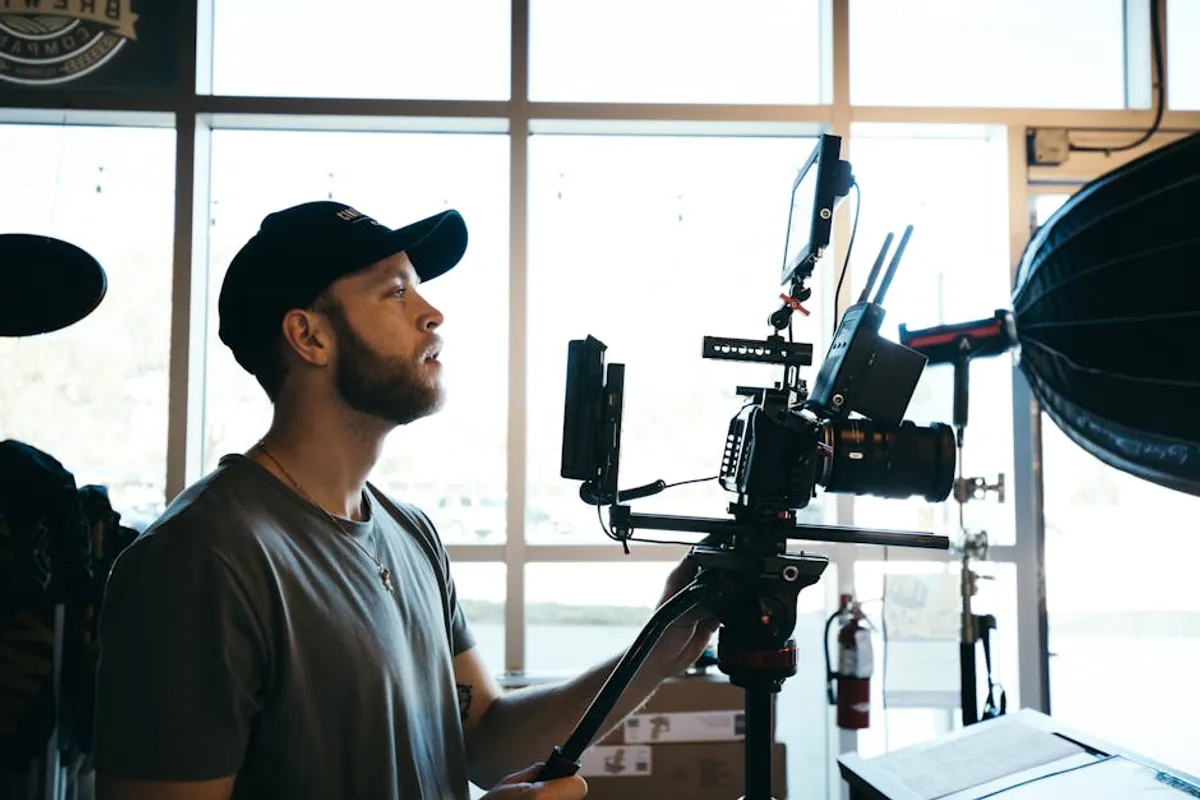
Effective video content is a cornerstone of modern digital marketing and brand communication. Whether for product showcases, explainer videos, social media campaigns, or editorial features, the visual quality of your video directly impacts audience perception, engagement, and ultimately, conversion rates. Cinematography, often perceived as an artistic discipline reserved for feature films, offers a powerful toolkit for marketers and content creators to elevate their video assets beyond amateur-looking productions. Applying fundamental cinematography principles transforms raw footage into compelling narratives that capture attention and build trust. This isn't about acquiring expensive gear, but understanding how light, composition, movement, and color influence viewer psychology and message retention. Mastering these techniques ensures your video content stands out in a crowded digital landscape, communicating professionalism and value before a single word is spoken.
Visual Storytelling Through Composition
Composition dictates how elements within your frame are arranged, guiding the viewer's eye and conveying meaning. Strong composition ensures your message is clear and visually appealing, preventing cluttered or confusing imagery. For marketing videos, this means strategically placing your product, brand spokesperson, or key information to maximize impact.
Framing and the Rule of Thirds
The Rule of Thirds is a foundational compositional guideline. Imagine your frame divided into nine equal sections by two equally spaced horizontal and two equally spaced vertical lines. Placing key subjects or points of interest along these lines or at their intersections creates a more dynamic and engaging image than simply centering everything. For product shots, positioning the product on one of these "power points" can draw immediate attention. Additionally, consider natural frames within your shot – doorways, windows, or even foreground elements – to direct focus and add depth.
Leading Lines and Depth
Leading lines are visual elements that draw the viewer's eye towards a specific point in the frame, often the subject. Roads, fences, patterns, or even the arrangement of objects can serve as leading lines. They add depth and a sense of direction to your shots, making the image more immersive. In a corporate video, a hallway leading to an executive's office can subtly guide the viewer to the interview subject, enhancing the narrative flow.
Mastering Light for Mood and Clarity
Lighting is arguably the most critical element in cinematography; it shapes mood, reveals texture, and ensures your subject is clearly visible. Poor lighting can render even the most compelling message unwatchable, while skilled lighting elevates production value significantly.
Natural and Artificial Light Strategies
Understanding the characteristics of natural light – its direction, intensity, and color temperature – is crucial. Soft, diffused daylight from a window can be ideal for interviews or product demonstrations, providing a flattering and even illumination. When natural light is insufficient or inconsistent, artificial lighting becomes necessary. A basic three-point lighting setup (key light, fill light, backlight) provides dimension and separates the subject from the background, creating a professional look without harsh shadows.
Key considerations for lighting:
- Key Light: The primary light source, typically positioned at a 45-degree angle to the subject. It defines the subject's form.
- Fill Light: Softens shadows created by the key light, reducing contrast. It should be less intense than the key light.
- Backlight (Hair Light): Placed behind the subject, it creates a subtle rim of light, adding depth and separation from the background.
- Color Temperature: Match your lights or use gels to ensure a consistent color temperature, avoiding mixed lighting that can look unprofessional.
Pro Tip: Never underestimate the power of good sound. While cinematography focuses on visuals, poor audio quality can instantly undermine even the most beautifully shot video. Invest in a dedicated microphone (lavalier for interviews, shotgun for broader scenes) and monitor audio levels carefully during recording. Clear, crisp audio ensures your message is heard and understood, making your visual efforts truly impactful.
Camera Movement and Staging for Engagement
Dynamic camera movement and thoughtful staging can add energy, convey emotion, and guide the viewer through your narrative. Static shots can be effective, but controlled movement adds a layer of sophistication and keeps the audience engaged.
Intentional Camera Movements
Common movements include panning (horizontal rotation), tilting (vertical rotation), tracking (moving the camera alongside the subject), and dollying (moving towards or away from the subject). Each movement serves a purpose: a slow pan can reveal a landscape or product line, while a dolly shot can emphasize a character's realization or a product's intricate detail. Handheld shots can convey urgency or intimacy, but should be used sparingly and with stabilization for professional results.
Blocking and Subject Placement
Blocking refers to the arrangement and movement of subjects within the frame. In marketing videos, this might involve guiding a presenter to interact with a product, or positioning multiple subjects to create visual interest and hierarchy. Consider how subjects move into and out of the frame, and how their positions relate to each other and the camera. Intentional blocking prevents subjects from appearing static or disjointed.
Color Theory and Post-Production Polish
Color is a powerful psychological tool. It evokes emotion, establishes brand identity, and directs attention. Post-production, particularly color grading, is where you can unify the visual style of your video and enhance its overall impact.
Emotional Impact of Color
Different colors carry different connotations: blues often convey trust and professionalism, reds suggest energy or urgency, and greens can imply nature or growth. Aligning your video's color palette with your brand identity and the message you want to convey strengthens its impact. For instance, a finance brand might lean into cooler tones, while a children's toy brand might use vibrant, warm colors.
Basic Color Correction and Grading
Color correction addresses technical issues, ensuring whites are white and skin tones are accurate. Color grading, on the other hand, is a creative process that applies a specific aesthetic or mood to your footage. This can involve adjusting saturation, contrast, and color balance to achieve a consistent look across all your video assets. Even subtle grading can significantly elevate the perceived quality and professionalism of your video content.
Elevating Your Video Content
Integrating cinematography principles into your video production workflow is not about becoming a Hollywood director; it's about making deliberate choices that enhance your message and engage your audience more effectively. Start with the fundamentals: understand how composition guides the eye, use light to create mood and clarity, employ camera movement purposefully, and leverage color to reinforce your brand and narrative. Practice these techniques consistently, even with basic equipment, and you'll see a tangible improvement in the quality and impact of your video content. The goal is to produce visuals that are not only informative but also captivating, leaving a lasting impression on your target audience.
Frequently Asked Questions
What is the most important cinematography tip for beginners?
For beginners, focusing on good lighting is paramount. Even with an entry-level camera, well-executed lighting can dramatically improve the visual quality of your footage, making subjects clear, enhancing mood, and adding a professional polish.
How can I apply cinematography tips to social media videos?
For social media, prioritize strong composition to grab attention quickly. Use the rule of thirds to place key products or faces, ensure good lighting for clarity, and consider quick, intentional camera movements to keep viewers engaged within short attention spans.
Do I need expensive equipment to use cinematography principles?
No. Many fundamental cinematography principles, such as composition, understanding natural light, and intentional camera movement, can be applied effectively with basic equipment like a smartphone or a consumer-grade camera. The principles are about technique, not gear.
What role does color play in marketing cinematography?
Color plays a critical role in evoking emotion, reinforcing brand identity, and guiding viewer perception. Strategic use of color can make your marketing videos more memorable, convey specific brand values, and influence audience response to your message.