
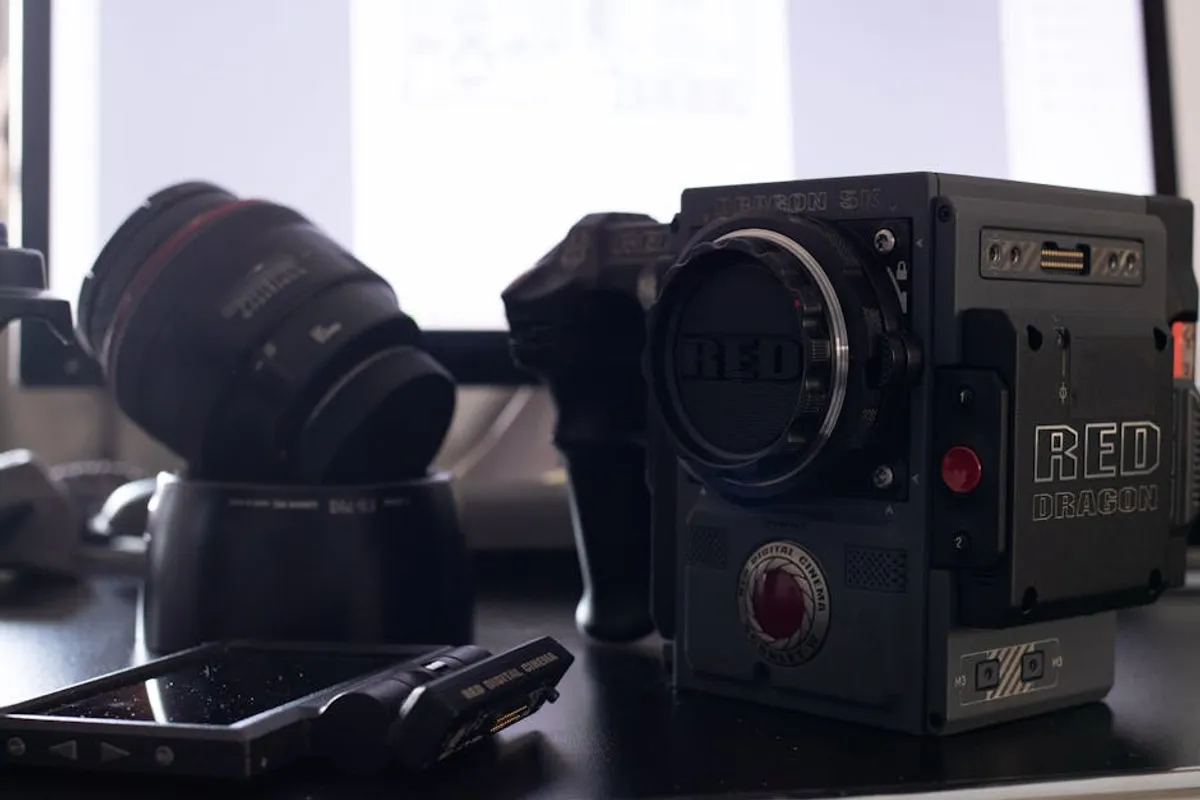
For content creators, marketers, and visual storytellers, understanding the trajectory of cinematography is not merely an aesthetic pursuit; it is a critical commercial imperative. The visual language of content evolves rapidly, driven by technological advancements, shifting audience consumption habits, and a continuous push for more immersive and engaging experiences. Staying ahead of these cinematography trends allows brands to differentiate their message, capture attention in crowded digital spaces, and maintain relevance with a visually sophisticated audience. Ignoring these shifts risks content appearing dated, less impactful, and ultimately, less effective in achieving marketing or communication objectives. This overview details the key cinematography trends shaping visual content production, offering practical insights into their application and commercial value.
Key Cinematography Trends Shaping Visual Content
AI-Assisted Cinematography and Virtual Production
Artificial intelligence is increasingly integrated into the pre-production and production phases of cinematography, moving beyond simple automation to enable complex creative solutions. AI tools are now refining shot composition, optimizing camera movements for specific emotional impacts, and even generating preliminary storyboards based on script analysis. This allows cinematographers to iterate on visual concepts more rapidly and explore options that would be time-prohibitive with traditional methods. Virtual production, underpinned by real-time rendering engines and large LED volumes, offers a significant shift from green screen techniques. It enables the capture of actors within photorealistic digital environments, with interactive lighting and reflections, directly on set. This reduces post-production costs and provides immediate visual feedback, allowing for more informed creative decisions during principal photography. For brands, this translates to the ability to create highly stylized, fantastical, or geographically diverse content without extensive travel or complex set builds, making high-concept visuals more accessible and efficient.
The Rise of Anamorphic and Vintage Lenses in Digital Production
While digital cameras offer unparalleled sharpness and color fidelity, there is a growing counter-trend favoring the distinctive optical characteristics of anamorphic and vintage spherical lenses. Anamorphic lenses, originally designed for widescreen film projection, produce oval bokeh, characteristic lens flares, and a subtle distortion that many find more "cinematic" or organic than the pristine look of modern spherical glass. Vintage lenses, often adapted from older film cameras, introduce unique color rendition, softer focus fall-off, and specific aberrations that impart character and warmth. This aesthetic choice is a deliberate move to differentiate content, providing a visual signature that feels less sterile and more emotionally resonant. For commercial applications, this can help brands evoke nostalgia, create a sense of authenticity, or simply stand out with a visually richer, more textured image that cuts through the ubiquitous clean digital look.
Immersive Storytelling with 360/VR and Volumetric Video
The pursuit of deeper audience engagement has propelled advancements in immersive visual formats. 360-degree and virtual reality (VR) cinematography, once niche, are finding more practical applications in brand experiences, interactive documentaries, and training simulations. These formats place the viewer directly within the scene, offering a sense of presence and agency that traditional flat video cannot match. Volumetric video takes this a step further, capturing subjects as 3D data rather than 2D images. This allows viewers to move around a captured performance or object within a virtual space, offering unprecedented interactivity. Marketers can leverage these technologies to create virtual product showcases, interactive brand narratives, or immersive educational content that provides a memorable and unique user experience, fostering stronger emotional connections and brand recall.
Accessible High-Quality Lighting Solutions
Lighting is fundamental to cinematography, and recent innovations have democratized access to professional-grade illumination. Advances in LED technology have led to the proliferation of compact, powerful, and color-accurate lights that are significantly more affordable and portable than traditional tungsten or HMI fixtures. Bi-color and RGBWW (Red, Green, Blue, Warm White, Cool White) LED panels offer precise control over color temperature and hue, enabling cinematographers to achieve complex lighting setups with fewer units and less power consumption. This accessibility means that sophisticated lighting techniques, previously reserved for larger budgets, are now within reach for independent creators, small agencies, and in-house marketing teams. The ability to craft nuanced lighting contributes directly to higher production value, enhancing mood, directing attention, and ultimately elevating the perceived quality of content, even when produced with lean resources.
Pro Tip: While adopting new cinematography trends can refresh your content, always ensure the technology serves the story, not the other way around. A visually stunning piece that lacks narrative coherence or commercial purpose will underperform. Prioritize how a trend enhances clarity, emotion, or engagement for your specific audience and message.
The Continued Dominance of Vertical Video and Short-Form Content
The mobile-first consumption paradigm continues to shape cinematography, with vertical video becoming a standard, not an anomaly, across platforms like TikTok, Instagram Reels, and YouTube Shorts. This trend necessitates a fundamental rethinking of framing, composition, and visual pacing. Cinematographers must compose shots that work effectively within a 9:16 aspect ratio, often prioritizing close-ups, dynamic movement, and clear visual information that can be quickly absorbed. Short-form content further demands rapid cuts, concise storytelling, and immediate hooks to retain attention. For brands, optimizing cinematography for these formats is non-negotiable for maximizing reach and engagement with younger, mobile-native audiences. It requires a strategic approach to visual storytelling that respects platform-specific conventions and audience expectations, ensuring content is not merely repurposed but purpose-built for vertical viewing.
Practical Application for Content Creators
Integrating these cinematography trends into your content strategy requires a blend of technical understanding and creative foresight. Consider these actionable steps:
- Invest in Foundational Skills: Before chasing the latest gear, ensure your team understands core cinematography principles like composition, lighting, and color theory. Trends build upon these fundamentals.
- Experiment with Accessible Technology: Many trends have entry points that don't require massive investment. Explore mobile gimbals for dynamic vertical video, small LED panels for controlled lighting, or free AI tools for pre-visualization.
- Analyze Competitor and Industry Leader Use: Observe how successful brands and creators are leveraging these trends. Identify what works, what resonates with their audience, and how it aligns with your brand's voice.
- Prioritize Storytelling Over Flashy Tech: Always ask how a trend serves your narrative or commercial objective. A compelling story enhanced by relevant technology will always outperform a technically impressive but hollow piece.
- Budget for Continuous Learning and Equipment Upgrades: The visual landscape is dynamic. Allocate resources for training, workshops, and periodic equipment evaluations to keep your production capabilities current.
Navigating the Evolving Visual Landscape
The future of cinematography is characterized by a blend of technological innovation and a renewed appreciation for classic visual storytelling. For marketers and content producers, the key lies in strategic adoption—understanding which trends offer genuine commercial advantage and align with brand identity, rather than simply chasing every new development. The most impactful content will be that which leverages these advancements to create more immersive, authentic, and emotionally resonant experiences, ultimately forging stronger connections with target audiences. Adaptability, a commitment to learning, and a clear understanding of your audience's visual preferences will be paramount in maintaining a competitive edge in the visually driven digital economy.
Frequently Asked Questions
How do I choose which cinematography trends are relevant for my brand?
Assess your target audience's content consumption habits, your brand's visual identity, and your specific marketing objectives. Trends that enhance your message or reach your audience more effectively are the most relevant.
Can I implement these trends on a limited budget?
Many trends, like accessible LED lighting or optimizing for vertical video, have low-cost entry points. Focus on foundational skills and creative problem-solving before investing in high-end equipment.
What's the most important skill for a cinematographer to develop today?
Beyond technical proficiency, adaptability and a strong understanding of narrative storytelling across diverse platforms and aspect ratios are crucial. The ability to integrate new technologies seamlessly into creative workflows is also key.
How quickly do these trends change, and how can I keep up?
Some trends evolve rapidly (e.g., AI applications), while others (e.g., anamorphic aesthetics) have longer cycles. Stay informed by following industry publications, attending virtual workshops, and actively experimenting with new tools and techniques.



