Embarking on documentary filmmaking as a beginner presents both creative freedom and practical challenges. The barrier to entry for capturing footage has lowered significantly, yet producing a compelling, impactful documentary that resonates with an audience requires more than just a camera. It demands a structured approach, a clear understanding of storytelling, and diligent attention to the often-overlooked details that elevate a project from a collection of clips to a cohesive narrative. This guide outlines essential tips, focusing on actionable strategies to navigate the entire filmmaking process, from initial concept to audience engagement, ensuring your first documentary is not only completed but also effectively communicates its intended message.
Pre-Production: Laying the Foundation
Concept Development and Research
A strong documentary begins with a well-defined concept and rigorous research. Identify a specific story, character, or issue that genuinely interests you, as this passion will sustain you through the demanding production process. Initial research should involve fact-checking, understanding the subject's nuances, and identifying potential interviewees or locations. This phase is critical for establishing credibility and developing a unique angle that differentiates your project. Consider the central question your documentary aims to answer or the perspective it seeks to illuminate.
- Define your core message: What single idea or emotion do you want the audience to take away?
- Identify your target audience: Who are you trying to reach, and why will this story matter to them?
- Conduct thorough background checks: Verify all facts, figures, and historical contexts.
- Scout potential locations and subjects: Assess their suitability, accessibility, and willingness to participate.
Storyboarding and Shot Listing
Even for documentaries, visual planning is invaluable. While spontaneity is inherent to the genre, a basic storyboard or shot list provides a roadmap. This involves sketching key scenes, identifying specific shots (wide, medium, close-up), and noting potential B-roll opportunities. For interviews, plan your framing and background to enhance the subject's presence and the narrative's context. This preparation streamlines the production phase, reducing wasted time and ensuring you capture all necessary footage to construct your story effectively in post-production.
Budgeting and Resource Planning
Financial constraints are a common hurdle for beginners. Develop a realistic budget that accounts for equipment rental, travel, permits, music licensing, and post-production services. Explore low-cost or no-cost alternatives, such as borrowing equipment, leveraging public domain music, or utilizing free editing software. Beyond finances, plan for human resources: who will operate the camera, record sound, or assist with logistics? A clear resource plan prevents unexpected delays and ensures efficient use of available assets.
Legalities and Permissions
Pro Tip: Always secure written consent. For interviews, use a release form. For locations, obtain property release forms. When filming in public spaces, understand local laws regarding public filming and privacy. Ignoring these steps can lead to significant legal complications, forcing you to remove footage or even abandon your project.
Navigating legal aspects is non-negotiable. Obtain signed consent forms from all individuals who appear on camera, especially those providing interviews. Secure location permits if filming on private property or in public spaces requiring special authorization. Understand copyright laws for music, archival footage, and images. Early attention to these details safeguards your project from legal challenges and ensures its publishability.
Production: Capturing the Narrative
Equipment Essentials
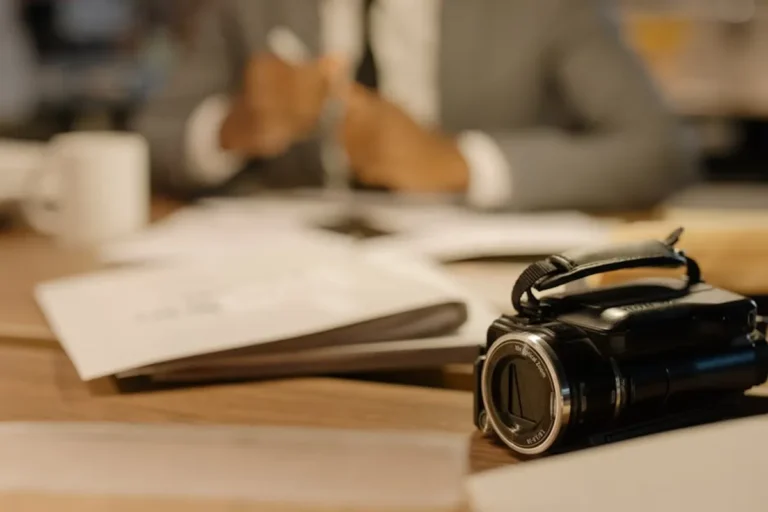
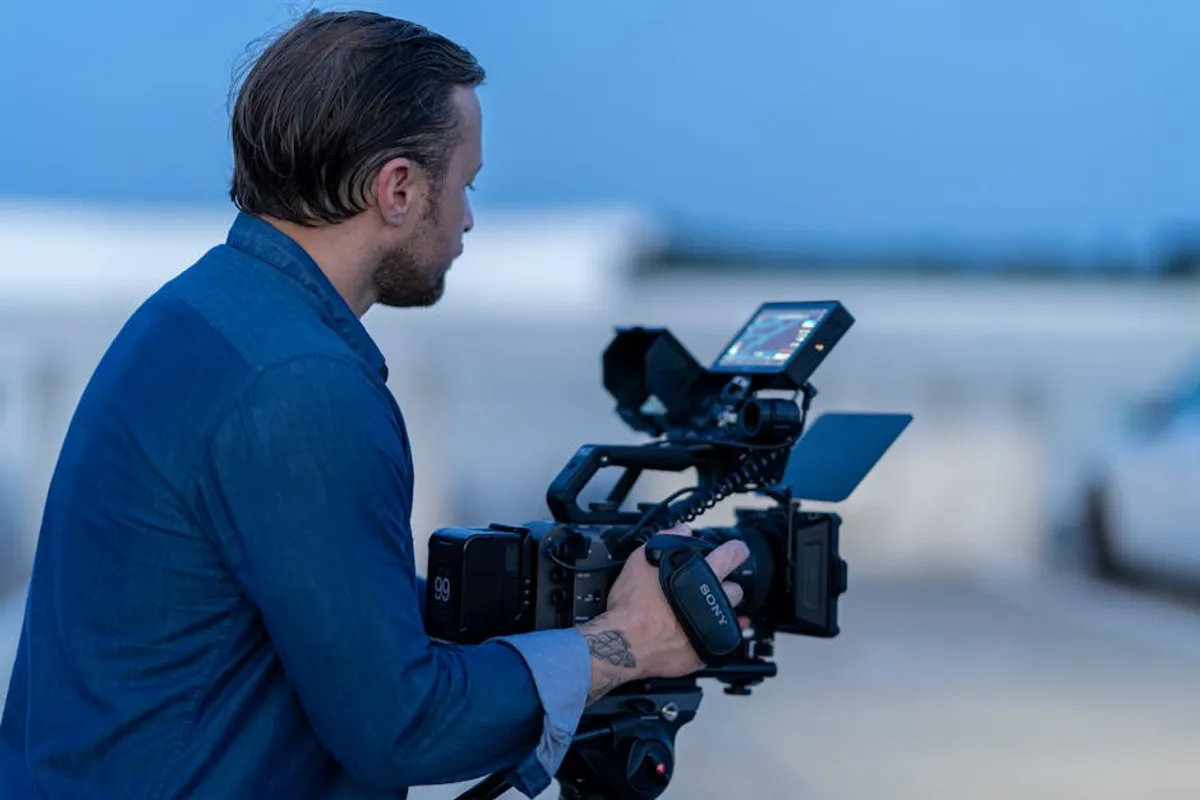
Beginners do not need top-tier cinema cameras. A modern smartphone or a prosumer DSLR/mirrorless camera often suffices. Prioritize equipment that allows manual control over exposure, focus, and white balance. Invest in quality audio recording equipment—a good microphone (lavalier for interviews, shotgun for ambient sound) and an external recorder—as clear sound is paramount for audience engagement. A stable tripod is also crucial for professional-looking shots.
Best for: Accessible, high-quality capture for beginners. Focus on manual controls and external audio.
Interview Techniques
Interviews form the backbone of many documentaries. Prepare open-ended questions that encourage detailed responses, avoiding yes/no queries. Establish rapport with your subject before filming to create a comfortable environment. Maintain eye contact and practice active listening to identify follow-up questions. Frame your subject thoughtfully, often using the rule of thirds, with adequate headroom and lead room. Ensure consistent lighting and minimal background distractions.
B-Roll and Observational Footage
B-roll footage provides visual context, breaks up talking-head interviews, and enhances the story's emotional impact. Capture relevant actions, landscapes, details, and establishing shots that illustrate your narrative points. Observational footage involves documenting events as they unfold naturally, without intervention. This requires patience and a keen eye for moments that reveal character or advance the plot. Aim for variety in your shots – wide, medium, close-ups – to give your editor options.
Sound Recording Best Practices
Clean audio is as important as clear visuals. Use appropriate microphones for different scenarios. For interviews, a lavalier mic clipped to the subject's clothing minimizes room echo and background noise. For ambient sounds or general dialogue, a shotgun mic mounted on a boom pole offers directional capture. Monitor audio levels constantly using headphones to prevent clipping or distortion. Record room tone for several minutes at each location; this helps smooth out audio edits in post-production.
Post-Production: Shaping the Story
Editing Workflow
Editing is where your story truly takes shape. Organize your footage meticulously from the start, labeling clips clearly. Begin by assembling a rough cut, focusing on the narrative flow and pacing. Then, refine it by trimming unnecessary segments, tightening dialogue, and incorporating B-roll. Seek feedback from trusted peers or mentors to gain fresh perspectives on your cut. Iterative editing is key to polishing your film.
Music and Sound Design
Music evokes emotion and sets the tone. Use royalty-free music or original compositions to avoid copyright issues. Sound design, including ambient sounds, sound effects, and voice-overs, enriches the viewer's experience and can bridge visual gaps. Ensure sound levels are balanced across all elements – dialogue, music, and effects – to create a cohesive audio landscape.
Color Grading and Finishing
Color grading unifies the visual aesthetic of your documentary, correcting inconsistencies between shots and enhancing the mood. Aim for a natural, consistent look unless stylistic choices dictate otherwise. The finishing stage involves final audio mixing, visual effects (if any), and exporting the film in various formats suitable for different distribution platforms. Pay close attention to technical specifications for resolution, frame rate, and file type.
Distribution and Promotion: Reaching Your Audience
Festival Strategy
Film festivals offer a platform for exposure, networking, and potential distribution deals. Research festivals that align with your documentary's genre and theme. Pay attention to submission deadlines, entry fees, and past selections. Craft a compelling synopsis and trailer. While competitive, festival acceptance can significantly boost your film's visibility and credibility.
Online Platforms
For beginners, online distribution provides direct access to audiences. Platforms like YouTube, Vimeo, or independent film streaming services allow you to share your work globally. Develop a promotion strategy that includes social media engagement, targeted outreach to communities interested in your film's subject matter, and creating a dedicated website or landing page for your documentary. Optimize your film's title, description, and tags for discoverability.
Launching Your Documentary Journey
Creating a documentary as a beginner is an ambitious undertaking that requires dedication, meticulous planning, and a willingness to learn from every stage of the process. By focusing on a strong narrative foundation, adhering to ethical and legal guidelines, prioritizing clear audio, and strategically planning your post-production and distribution, you can transform your initial concept into a compelling film. Embrace the iterative nature of filmmaking, seek constructive criticism, and remain persistent in sharing your unique story with the world. The journey itself offers invaluable experience, shaping you into a more effective and insightful storyteller.
Frequently Asked Questions
What is the single most important tip for a beginner documentary filmmaker?
Focus on story above all else. A compelling narrative, even with basic equipment, will always resonate more than technically perfect footage without a clear message or emotional core. Spend significant time on pre-production to define your story.
How much does it typically cost to make a short documentary as a beginner?
The cost varies widely, from nearly zero if using existing equipment and free resources, to a few thousand dollars for modest equipment rentals, music licensing, and software subscriptions. Strategic planning and leveraging free assets can keep expenses minimal.
Do I need a professional crew for my first documentary?
No, many successful beginner documentaries are made by solo filmmakers or small, dedicated teams. Focus on mastering a few key roles yourself, like directing and editing, and enlist friends or fellow enthusiasts for assistance with sound or additional camera operation.
What is the best way to get my documentary seen by an audience?
Start with online platforms like YouTube or Vimeo, which offer broad reach. Simultaneously, research and submit to smaller, niche film festivals that align with your film's theme. Actively promote your film on social media and engage with communities interested in your subject matter.