
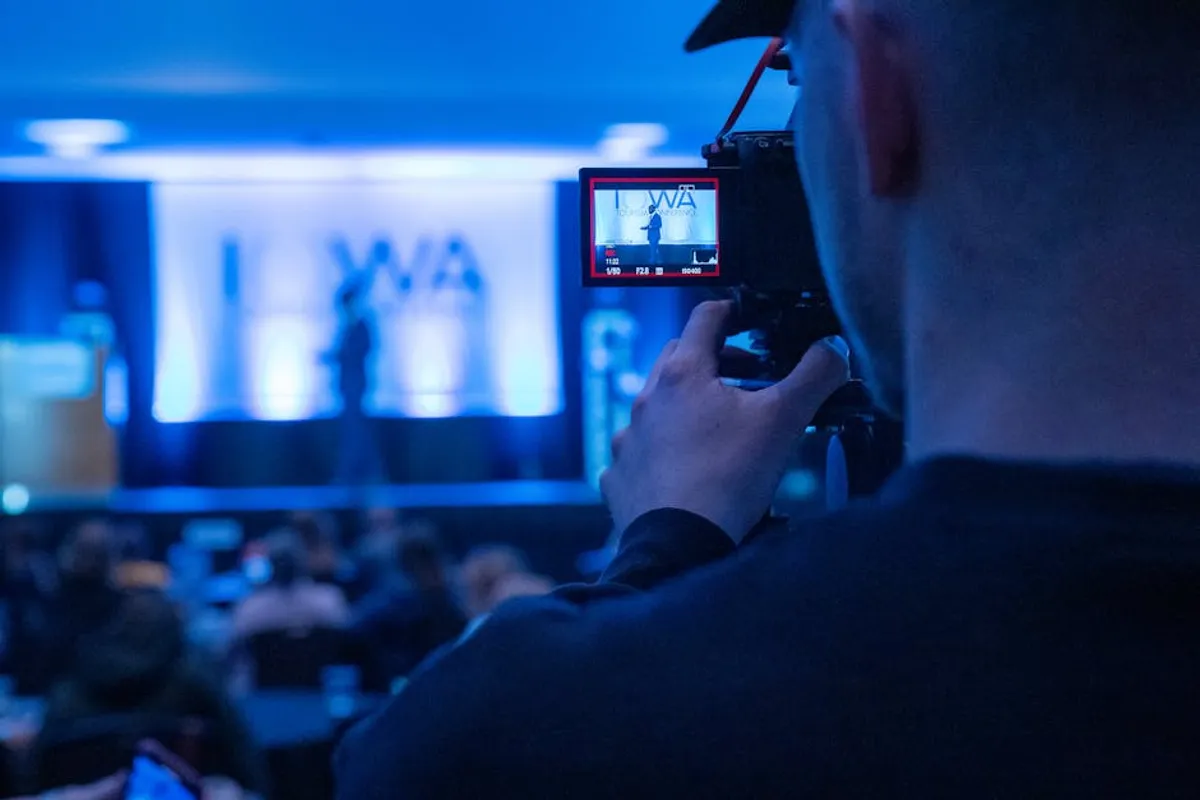
Film festivals represent a crucial nexus for independent cinema, offering a concentrated environment to discover new narratives, directorial voices, and cinematic trends before they reach broader distribution. For dedicated indie movie enthusiasts, these events are more than just a series of screenings; they are immersive cultural experiences that provide direct access to filmmakers, industry insights, and a community of like-minded cinephiles. Successfully navigating a film festival, however, requires a strategic approach, moving beyond casual attendance to a deliberate engagement that maximizes both film discovery and personal interaction. This guide outlines practical steps for indie movie fans to optimize their festival experience, ensuring they extract the most value from their investment of time and resources.
Selecting the Right Festival for Your Indie Interests
The landscape of film festivals is diverse, each with its own focus, scale, and atmosphere. Identifying the festival that aligns best with your specific indie film preferences is the foundational step. Major festivals like Sundance, SXSW, and Tribeca are renowned for premiering significant independent features and documentaries, often serving as launchpads for films seeking distribution. These larger events typically offer a broad program, extensive industry presence, and numerous ancillary events, but can also be overwhelming due to high attendance and competition for tickets.
Conversely, smaller, specialized, or regional festivals often provide a more intimate experience with a higher concentration of avant-garde, experimental, or niche genre films. Examples include Fantasia International Film Festival (Montreal, genre-focused), Slamdance Film Festival (Park City, Utah, artist-driven alternative to Sundance), or specific regional festivals that highlight local talent or particular themes. Researching a festival's past lineups, award winners, and mission statement offers concrete insight into its curatorial taste and how well it matches your preferred independent genres—whether that's experimental animation, social realist dramas, or micro-budget horror.
Strategic Planning: Program Research and Ticketing
Once a festival is chosen, meticulous planning of your viewing schedule and ticketing strategy becomes paramount. Festival programs are usually released several weeks to months in advance, providing ample time for research. Prioritize films based on director reputation, intriguing synopses, critical buzz from earlier screenings (if applicable), or unique thematic elements. Many festivals host virtual screening rooms or offer trailers and director interviews online, which aid in pre-selection.
Consider the trade-offs between festival passes and individual tickets:
- Festival Passes: These are generally more cost-effective for attendees planning to see five or more films. They often include priority access to screenings, which can be critical for popular titles that sell out quickly. Passes typically open for sale 3-6 months prior to the festival, with early bird discounts of 15-25% available. This upfront investment secures broader access and simplifies logistics during the event.
- Individual Tickets: Offer maximum flexibility for a highly curated schedule, allowing you to pay only for the films you definitively want to see. However, high-demand screenings can sell out rapidly, sometimes within minutes of general ticket release. This option is best for those attending fewer films or with very specific, non-overlapping choices.
Always review the festival's specific ticketing tiers, refund policies, and any restrictions on pass usage (e.g., limits on simultaneous bookings, rush line access). Factor in potential transaction fees when comparing costs.
Navigating the Festival On-Site
The on-site experience at a film festival is dynamic and often fast-paced. Effective time management and logistical awareness are crucial for maximizing your schedule and minimizing stress.
Optimizing Your Schedule and Venue Travel
Film festival venues can be geographically dispersed across a city. When building your daily schedule, account for travel time between locations, including public transport wait times or walking distances. A common mistake is scheduling back-to-back screenings at distant venues, leading to missed starts or rushed experiences. Aim for a 60-90 minute buffer between screenings, especially if Q&A sessions are anticipated. This buffer also provides opportunities for impromptu discussions with other attendees or a quick meal.
PRO TIP: Always build buffer time between screenings. Venues can be spread across a city, and Q&A sessions often run over schedule. A 60-90 minute gap prevents rushing and allows for impromptu discussions or a quick meal, enhancing the overall experience rather than creating stress.
Beyond the Screen: Q&As, Panels, and Networking
The value of a film festival extends beyond simply watching films. Attend Q&A sessions with directors, writers, and cast members; these provide invaluable insights into the creative process, thematic intentions, and production challenges of independent filmmaking. Many festivals also host industry panels, workshops, and masterclasses covering topics from screenwriting to distribution. While some of these are geared towards industry professionals, many are open to the public and offer unique educational opportunities for fans interested in the mechanics of indie cinema.
Networking events, often informal gatherings or sponsored parties, present a chance to connect with fellow cinephiles, critics, and even filmmakers. These interactions can enrich your understanding of the films and foster a sense of community around independent cinema. Be prepared with a few thoughtful questions or observations about the films you've seen; genuine engagement often leads to memorable conversations.
Engaging with Indie Film Culture Post-Festival
Your festival experience doesn't end when the lights come up on the final screening. Active engagement post-festival helps sustain the indie film ecosystem and extends your personal discovery journey.
Supporting Filmmakers and Spreading the Word
If you discover a film or filmmaker you admire, consider actively supporting their work. This can involve following them on social media, subscribing to newsletters, or purchasing merchandise. Critically, sharing your positive impressions with friends, family, and online communities (e.g., Letterboxd, film forums) helps generate buzz and contributes to a film's word-of-mouth marketing, which is vital for independent releases. Positive reviews, even short ones, on platforms like Rotten Tomatoes or IMDb can collectively influence a film's visibility and distribution prospects.
Tracking Distribution and Future Releases
Many independent films premiered at festivals seek wider distribution. Keep an eye on news from the festival organizers or the filmmakers themselves regarding distribution deals, theatrical releases, or streaming platform availability. This allows you to revisit films you loved, or catch those you missed, once they become more widely accessible. Following festival news sources and film industry publications can keep you informed about upcoming projects from emerging talents discovered at the festival.
Maximizing Your Indie Film Festival Journey
Approaching a film festival with a clear strategy transforms it from a series of passive viewings into an active, enriching engagement with independent cinema. By carefully selecting festivals, planning your schedule with logistical precision, and embracing the broader cultural opportunities, indie movie fans can unlock a deeper appreciation for the art form and contribute directly to the vibrant ecosystem of independent film. The experience is not just about the films themselves, but about the conversations, discoveries, and connections forged within these unique cinematic celebrations.
Frequently Asked Questions
How far in advance should I plan for a major film festival?
For major festivals like Sundance or SXSW, it's advisable to begin planning 4-6 months out. This allows time to research the program, secure early bird passes, arrange accommodation, and book flights, often at more favorable rates.
What should I bring to a film festival?
Essentials include comfortable walking shoes, a portable phone charger, a small notebook and pen for jotting down film impressions or Q&A notes, snacks, a water bottle, and layers of clothing as theater temperatures can vary.
Is it worth attending smaller, local film festivals?
Absolutely. Smaller festivals often provide a more intimate atmosphere, a higher chance of interacting directly with filmmakers, and a curated selection of films that might not receive broader attention. They can be excellent for discovering truly emerging talent or niche genres.
How can I find out if a film I saw at a festival will be released widely?
Follow the film's official social media channels, the director's accounts, and the festival's news updates. Industry publications like Variety, The Hollywood Reporter, and IndieWire often report on distribution deals made at festivals. Websites like IMDb and Letterboxd also track release information.



