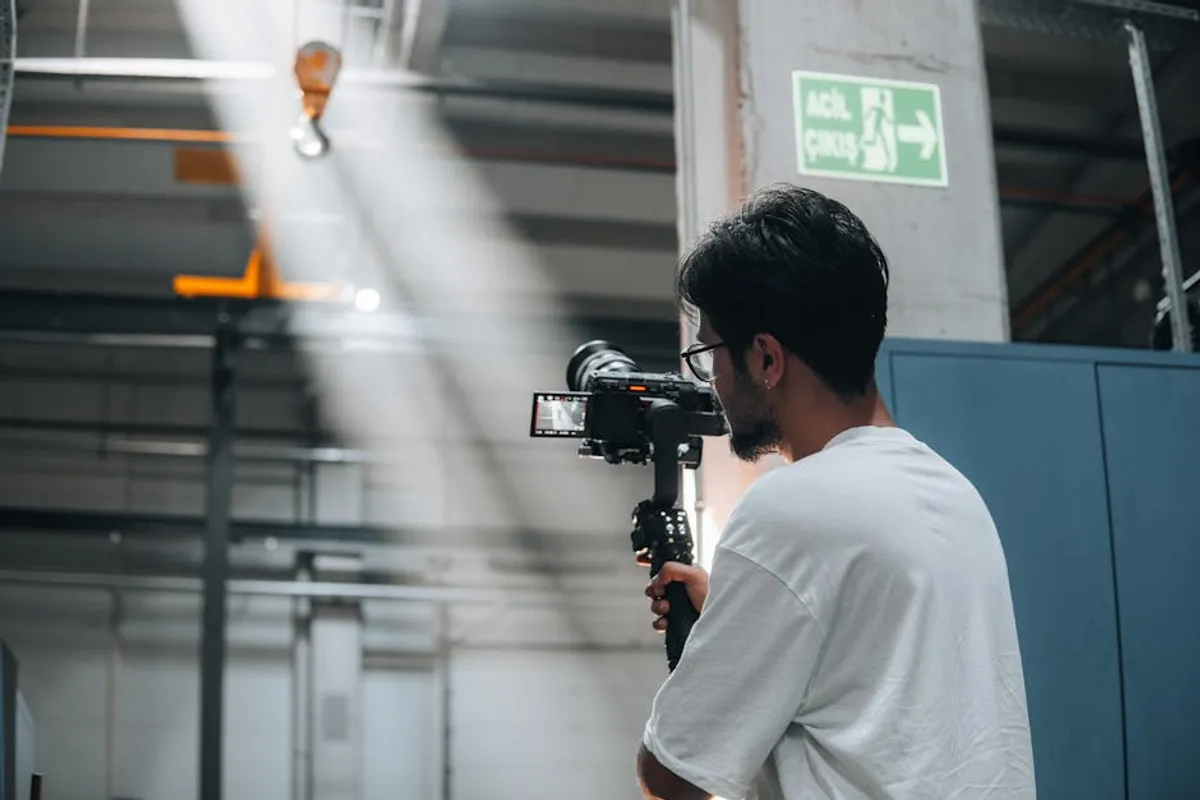
Effective film lighting moves beyond mere illumination; it is a fundamental narrative tool, shaping audience perception, guiding attention, and defining the emotional landscape of a scene. For filmmakers, marketers, and content creators, understanding lighting principles is critical for elevating production value, enhancing visual storytelling, and ultimately, ensuring a project resonates with its intended audience. Poor lighting can distract, miscommunicate, or even undermine a message, while expertly applied lighting contributes directly to a polished, professional aesthetic that commands engagement and trust.
Fundamentals of Cinematic Illumination
Key Lighting Principles
The foundation of most cinematic lighting setups is the three-point lighting system, a method designed to illuminate a subject comprehensively while creating depth and separation. This system comprises three distinct light sources:
- Key Light: This is the primary and strongest light source, typically positioned to one side of the camera and angled towards the subject. It defines the main form, texture, and highlights, dictating the overall exposure and mood. Its placement and intensity are crucial for establishing the scene's dominant light direction.
- Fill Light: Placed on the opposite side of the camera from the key light, the fill light softens or eliminates the shadows created by the key light. Its intensity is usually lower than the key, preventing a flat look while reducing harsh contrast. The ratio between key and fill light determines the scene's contrast and dramatic impact.
- Back Light (or Rim Light): Positioned behind the subject, often slightly off-center, the back light creates a luminous outline, separating the subject from the background. This adds depth and dimension, preventing the subject from blending into the set.
Beyond this standard, motivated lighting is another core principle, where light sources appear to originate from a logical, in-scene source, such as a window, lamp, or street light. This enhances realism and audience immersion.
Light Qualities and Color Temperature
The quality of light significantly impacts the visual outcome:
- Hard Light: Produced by small, undiffused light sources, hard light creates sharp, well-defined shadows and high contrast. It is often used for dramatic effect, to emphasize texture, or to convey tension. Think direct sunlight or an ungelled spotlight.
- Soft Light: Generated by large, diffused light sources, soft light produces gradual shadow transitions and lower contrast. It is generally more flattering for faces and creates a gentler, more ethereal mood. Overcast skies or light passed through a large softbox are examples.
Color temperature, measured in Kelvin (K), describes the warmth or coolness of light. Lower Kelvin values (e.g., 2,000K-3,000K) indicate warmer, more orange light (like candlelight or tungsten bulbs), while higher values (e.g., 5,000K-6,500K) represent cooler, bluer light (like daylight or HMI fixtures). Matching color temperatures across multiple sources, or intentionally contrasting them, is essential for visual consistency and stylistic expression.
Direction and Placement
The angle at which light strikes a subject profoundly affects its appearance. Frontal lighting flattens features, while side lighting enhances texture and creates drama. Top lighting can be harsh and create deep shadows under eyes, often used for sinister effects. Under lighting, where light comes from below, can be unsettling. Strategic placement sculpts the subject, revealing or concealing details, and guiding the viewer's eye.
Essential Lighting Equipment
Light Sources
Modern film production utilizes a range of light sources, each with distinct characteristics:
- Tungsten Lights: Traditional, hot-running lights that emit a warm, yellowish light (around 3,200K). They are robust, affordable, and provide continuous output, making them suitable for studio work where color consistency is paramount.
- LED Lights: Energy-efficient and versatile, LED fixtures offer tunable color temperatures and often RGB capabilities, allowing for a wide spectrum of colors. They run cooler than tungsten and are highly portable, making them ideal for run-and-gun shoots and dynamic lighting setups.
- HMI Lights: Hydrargyrum Medium-arc Iodide lights produce a powerful, daylight-balanced output (around 5,600K). They are essential for matching natural sunlight or for illuminating large outdoor scenes, though they require specific ballasts and can be more complex to operate.
- Fluorescent Lights: Often used for soft, diffuse illumination, particularly for interviews or broad fill. Modern fluorescent fixtures are color-corrected, though older models can have a green spike.
Modifiers and Control
Light sources are rarely used bare. Modifiers shape, diffuse, or block light:
- Softboxes and Umbrellas: Attach to lights to create larger, softer light sources, reducing harsh shadows.
- Diffusers: Translucent materials (e.g., silks, frames with diffusion fabric) placed between the light and subject to soften the beam.
- Grids and Barn Doors: Control the spread of light, directing it precisely and preventing spill onto unwanted areas.
- Flags and Gobos: Opaque panels (flags) used to block light entirely or create sharp shadow patterns. Gobos (goes before optics) project specific shapes or textures.
- Reflectors: Passive surfaces (silver, gold, white) used to bounce and redirect light, often as a cost-effective fill light.
Support and Power
Secure and stable mounting is non-negotiable. C-stands (century stands) are industry workhorses, offering robust support for lights and modifiers. Grip equipment, including clamps, arms, and sandbags, ensures precise positioning and safety. Power solutions range from standard wall outlets to portable battery packs for LEDs, and powerful generators for HMI and larger tungsten setups on location.
Pro Tip: Always conduct a tech scout of your location with your lighting designer or cinematographer. Understanding existing ambient light, power access, and rigging points in advance can prevent costly delays and compromises on set, allowing for more precise pre-visualization and equipment planning.
Lighting for Specific Effects and Genres
Creating Mood and Atmosphere
Lighting is a direct conduit for emotion. High-key lighting, characterized by bright, even illumination with minimal shadows, often conveys optimism, innocence, or comedy. Conversely, low-key lighting, featuring stark contrasts and dominant shadows, evokes mystery, drama, or suspense. Chiaroscuro, an extreme form of low-key lighting, uses strong contrasts between light and dark to create a bold, theatrical effect, often seen in noir films.
Lighting for Interviews and Dialogue
For interviews, the goal is often flattering, natural-looking illumination that keeps the subject comfortable and highlights their expression. A common setup involves a soft key light, a gentle fill light, and a subtle back light to separate the subject. An "eye light" – a small, soft light positioned to create a sparkle in the subject's eyes – adds vitality and connection.
Practical Considerations for Location vs. Studio Shoots
Studio shoots offer maximum control over every lighting element, allowing for precise replication of conditions and elaborate setups. Location shoots, however, demand adaptability. Filmmakers must contend with existing ambient light (sun position, artificial sources), limited power, and environmental factors. This often requires augmenting natural light with powerful HMIs or LEDs, using large diffusion frames to soften harsh sunlight, or carefully balancing interior artificial light with exterior daylight.
Integrating Lighting into Production Workflow
Planning and Pre-visualization
Effective lighting begins long before cameras roll. Storyboards and lighting diagrams help visualize the desired look for each shot, detailing light placement, intensity, and quality. A thorough tech scout allows the lighting team to assess the location's practical constraints and opportunities, informing equipment choices and power requirements. This proactive planning minimizes on-set adjustments and ensures creative intentions are realized.
Safety Protocols
Working with electricity, hot lights, and heavy rigging demands strict adherence to safety protocols. Proper cable management prevents tripping hazards, while secure mounting of fixtures and modifiers prevents falls. Understanding electrical loads and using appropriate circuit breakers are crucial to prevent overloads and fires. Regular equipment checks ensure all gear is in safe working condition.
Budgeting for Lighting
Lighting is a significant line item in production budgets. Costs include equipment rental or purchase, consumables (gels, diffusion), power generation (fuel for generators, battery charging), and skilled crew (gaffers, grips, best boys). Strategic budgeting involves balancing desired aesthetic outcomes with practical financial constraints, sometimes opting for versatile LED kits over more specialized, higher-cost HMI setups for independent projects, or leveraging natural light more extensively.
Frequently Asked Questions About Film Lighting
What is the difference between hard and soft light?
Hard light comes from a small, direct source, creating sharp shadows and high contrast. Soft light comes from a large, diffused source, producing gradual shadows and lower contrast.
Why is color temperature important in film lighting?
Color temperature dictates the warmth or coolness of light, measured in Kelvin. Matching or intentionally contrasting color temperatures ensures visual consistency and helps establish the scene's mood or time of day.
What is an "eye light" and why is it used?
An eye light is a small, soft light positioned to create a subtle reflection or "sparkle" in a subject's eyes, adding vitality and making them appear more engaging and alive on screen.
How does lighting contribute to storytelling?
Lighting sets the mood, draws attention to key elements, reveals character emotions, and defines the visual style of a scene. It can evoke happiness, tension, mystery, or drama without dialogue, directly influencing audience interpretation.