Embarking on a film production project, even a short one, involves navigating a complex series of interconnected tasks. Without a structured approach, beginners often face budget overruns, missed deadlines, and compromised creative vision. This checklist provides a foundational framework, breaking down the filmmaking process into manageable stages, ensuring critical steps are not overlooked from initial concept to final distribution.
Pre-Production: Laying the Foundation
Script Development and Refinement
The script is the blueprint for your film. Before any other step, ensure your script is finalized and locked. This involves multiple drafts, feedback from trusted readers, and a clear understanding of your narrative arc, character motivations, and thematic core. A locked script prevents costly rewrites and reshoots during production.
Budgeting and Funding
Develop a detailed line-item budget that covers every anticipated expense, from equipment rentals and location fees to catering and post-production services. Realistic budgeting is paramount; overestimating costs is safer than underestimating. Secure your funding sources before moving forward, whether through personal investment, crowdfunding, grants, or private investors. A contingency fund, typically 10-15% of the total budget, is essential for unexpected issues.
Team Assembly: Key Roles
Identify and secure your core creative and technical team. For beginners, this often means leveraging enthusiastic collaborators. Essential roles include:
- Director: Guides the artistic vision and performances.
- Producer: Manages logistics, budget, and schedule.
- Director of Photography (DP): Responsible for the visual aesthetic.
- Assistant Director (AD): Manages the set, schedule, and crew.
- Sound Mixer: Records on-set audio.
- Editor: Assembles the footage into a cohesive narrative.
Clearly define roles and responsibilities to avoid overlap and confusion.
Location Scouting and Permitting
Identify and secure all necessary filming locations. This involves scouting for visual suitability, assessing logistical challenges (power, noise, access), and obtaining all required permits and permissions from property owners or local authorities. Neglecting permits can lead to fines or production shutdowns.
Casting
Conduct auditions to find actors who embody your characters. Prepare clear character breakdowns and scene sides for auditions. Secure signed talent releases and contracts with all cast members, outlining compensation, usage rights, and work expectations.
Storyboarding and Shot Lists
Visualize your film scene by scene. Storyboards (visual representations of shots) and detailed shot lists (a breakdown of every shot needed, including angle, framing, and movement) are crucial for efficient shooting. They ensure you capture all necessary coverage and maintain a consistent visual style.
Equipment Rental and Acquisition
Determine all necessary equipment: cameras, lenses, lighting kits, sound recording gear, grip equipment, and production design elements. Source these items through rental houses, purchases, or borrowing. Ensure all equipment is tested and in working order before the shoot date.
Scheduling: Shoot Days and Post-Production
Create a realistic production schedule (shooting days) that accounts for travel, setup, shoot times, and wrap-up. Build in buffer time for unexpected delays. Develop a post-production schedule that allocates time for editing, sound design, color grading, and final delivery.
Production: Capturing the Vision
Set Preparation and Safety
Before shooting begins, ensure the set is safe for all cast and crew. This includes checking electrical setups, securing props, and establishing clear pathways. Conduct a safety briefing before each shoot day.
Directing and Performance Capture
Guide your actors through their performances, providing clear direction and feedback. Ensure emotional arcs are conveyed and dialogue is delivered effectively. Work closely with your DP to frame shots and block scenes according to your storyboards and shot lists.
Cinematography: Camera, Lighting, Sound
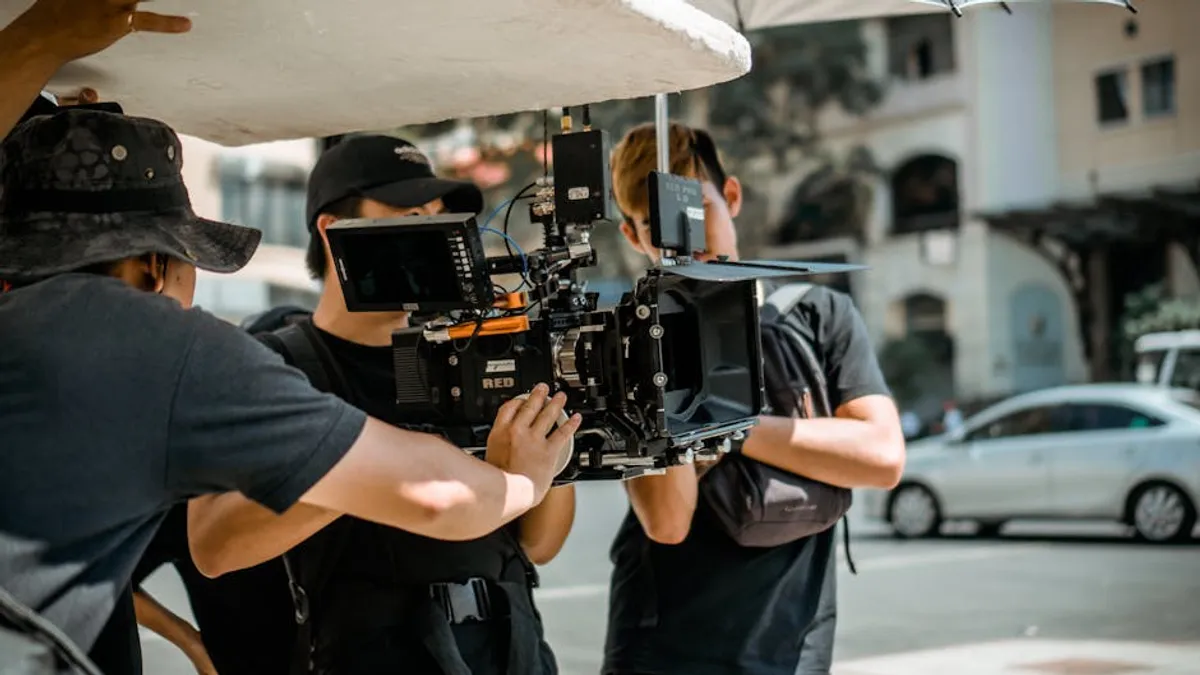
Execute your visual plan. The DP manages camera operation, lens choices, and lighting to achieve the desired aesthetic. The sound mixer ensures clean audio recording, monitoring levels, and minimizing ambient noise. Monitor both video and audio feeds constantly for quality control.
Continuity Management
Maintain consistent details across takes and scenes. A dedicated script supervisor tracks costume changes, prop placement, actor positions, and dialogue variations to ensure seamless editing. Inconsistencies can break audience immersion.
Data Management and Backups
At the end of each shoot day, offload all footage from camera cards to primary storage drives. Immediately create at least one, preferably two, backup copies on separate drives. Verify data integrity after each transfer. Losing footage is a catastrophic and irreversible error.
Pro Tip: Legal clearances are not optional. From music licenses and stock footage rights to location agreements and actor contracts, ensure every element in your film has explicit permission for use. Neglecting this step can lead to costly legal disputes, preventing distribution or requiring expensive re-edits.
Post-Production: Shaping the Story
Editing: Picture Lock
Assemble the raw footage into a coherent story. This involves selecting the best takes, arranging scenes, and establishing pacing. The goal is to achieve "picture lock," where the visual edit is finalized and no further cuts or changes will be made to the video track.
Sound Design and Mixing
Enhance the audio experience. This includes adding sound effects, ambient sounds, and foley (e.g., footsteps, rustling clothes). Dialogue is cleaned and balanced. Finally, all audio elements (dialogue, music, sound effects) are mixed to appropriate levels for a cohesive soundscape.
Color Grading
Adjust the color and tone of your footage to achieve a consistent visual style and enhance the mood of each scene. This process can correct exposure issues, match shots from different cameras, and apply a specific aesthetic look.
Visual Effects (If Applicable)
Integrate any necessary visual effects, from simple clean-ups to complex CGI. Ensure VFX shots blend seamlessly with the live-action footage and serve the story.
Music Licensing or Composition
Acquire or commission musical scores. If using pre-existing music, secure all necessary sync and master use licenses. If commissioning original music, work with a composer to create a score that complements your film's emotional tone.
Legal Clearances and Deliverables
Double-check all legal clearances for music, images, and other intellectual property. Prepare final deliverables, including various export formats (e.g., DCP for festivals, ProRes for online platforms, H.264 for web), closed captions, and accessibility features.
Distribution and Marketing: Reaching an Audience
Festival Submissions
Research and submit your film to relevant film festivals. Prepare a festival-specific cut, press kit, and submission fees. Festivals offer exposure, networking opportunities, and potential distribution deals.
Online Platform Distribution
Explore options for Video On Demand (VOD) platforms (e.g., Vimeo On Demand, Amazon Prime Video), streaming services, or self-distribution through your own website. Understand revenue splits and platform requirements.
Press Kits and Promotional Materials
Create a professional press kit including a synopsis, director's statement, cast and crew bios, high-resolution stills, and a trailer. Develop marketing assets for social media and promotional outreach.
Social Media Strategy
Build an online presence for your film. Develop a social media strategy to engage potential viewers, share behind-the-scenes content, and announce festival selections or distribution news.
Implementing Your First Film Production Checklist
This checklist provides a structured path for beginners, demystifying the complex process of film production. Each item represents a critical step that, when addressed systematically, reduces risk and increases the likelihood of a successful project. While flexibility is always necessary, adhering to this framework allows you to manage resources effectively, maintain creative control, and ultimately bring your cinematic vision to life with confidence. Start small, learn from each stage, and iterate on your process for future projects.
Frequently Asked Questions
What is the most common mistake beginners make in film production?
The most common mistake is inadequate pre-production, specifically underestimating budget and time, and failing to secure all necessary legal clearances. Rushing these steps inevitably leads to costly problems later.
How much money do I need to make a short film?
The cost varies wildly, from a few hundred dollars for ultra-low-budget projects using existing equipment and volunteer crew, to tens of thousands for more polished shorts. Focus on maximizing resources within your budget rather than fixating on a specific number.
Should I prioritize sound or picture quality as a beginner?
While both are critical, good sound is often more forgiving for audiences than poor picture quality. Clear, intelligible dialogue and well-designed soundscapes significantly elevate a film's professionalism, even with modest visuals.
What's the best way to get my film seen after it's finished?
Begin with film festival submissions for exposure and networking. Simultaneously, explore online distribution platforms like Vimeo On Demand or consider self-hosting on a dedicated website. Develop a strong social media presence to build an audience.