The landscape of live music events represents a significant, often underutilized, commercial opportunity for marketers, publishers, and content strategists. Beyond mere entertainment, upcoming concerts and music festivals serve as concentrated hubs of audience engagement, trend identification, and direct commercial touchpoints. Understanding the calendar of these events allows for proactive content planning, targeted advertising campaigns, and strategic partnership development, moving beyond reactive coverage to capitalize on sustained audience interest before, during, and after key dates. This article outlines how to identify and leverage these events for maximum commercial impact, focusing on the strategic implications for audience capture, content generation, and revenue streams. This strategic approach to event marketing can also inform your own efforts in building a local events calendar.
Identifying Key Music Event Categories and Their Commercial Value
Music events are not monolithic; they segment into distinct categories, each offering unique commercial angles and audience demographics. Recognizing these distinctions is crucial for tailoring effective strategies.
Major Festival Circuits: Audience Capture and Brand Reach
Large-scale, multi-genre festivals such as Coachella, Glastonbury, Lollapalooza, and SXSW attract massive, diverse audiences and generate significant media attention. Their commercial value lies in their broad reach and trendsetting influence. For marketers, these events provide opportunities for large-scale brand activations, experiential marketing, and capturing high volumes of user-generated content. Publishers can leverage the sustained interest through comprehensive guides, artist spotlights, fashion trend analyses, and live updates, driving substantial traffic and engagement. Early identification of lineup announcements and ticket sale dates allows for strategic content scheduling and affiliate marketing pushes.
Artist Tours: Direct Engagement and Niche Targeting
Individual artist tours, from stadium-filling pop acts to intimate club performances, offer direct access to highly loyal and engaged fan bases. The commercial advantage here is precision targeting. Content can be hyper-localized, focusing on specific tour dates, venue information, and regional fan communities. This allows for geo-targeted ad campaigns, merchandise promotions, and localized content strategies that resonate deeply with dedicated followers. Publishers can create city-specific guides, interview opportunities, and fan-generated content features, capitalizing on the intense, localized interest surrounding a specific artist's visit.
Industry Conferences and Showcases: B2B Networking and Emerging Talent
Events like the music portion of SXSW, CMJ Music Marathon (historically), or trade shows such as NAMM (National Association of Music Merchants) are crucial for B2B engagement. While not always consumer-facing, they are vital for identifying emerging artists, industry trends, and technological innovations. Marketers and agencies can use these events for networking, partnership development, and thought leadership. Publishers focused on the music industry or technology can generate authoritative content, interviews with key figures, and trend reports that position them as industry experts, attracting a professional audience looking for insights and future predictions.
Genre-Specific Events: Deep Dive into Subculture Markets
From Tomorrowland (EDM) to Newport Folk Festival (folk), or specific classical music series, genre-specific events cater to highly defined subcultures. These events offer unparalleled access to niche, passionate audiences. The commercial value is in the ability to target with extreme precision. Content can be highly specialized, focusing on subgenre history, artist deep dives, gear reviews, and community discussions. Marketers can align brands with specific cultural identities, fostering authenticity and strong community ties. Publishers can become authoritative voices within these niches, building loyal readership through specialized, high-value content.
Leveraging Music Events for Content and Audience Strategy
Effective commercial utilization of music events requires a phased approach, aligning content and marketing efforts with the audience's journey before, during, and after the event.
Pre-Event Hype: Anticipation and SEO Opportunities
The period leading up to an event is critical for building anticipation and capturing search intent. This phase is rich with SEO opportunities.
- Content Focus: "What to expect" guides, artist profiles, lineup breakdowns, travel and accommodation tips, festival fashion predictions, and "how to get tickets" advisories.
- Keywords: Target specific event names (e.g., "Glastonbury 2024 lineup," "Coachella tickets price"), artist names + "tour dates," "festival packing list," "best hotels near [venue]."
- Commercial Angle: Affiliate marketing for tickets, travel, merchandise, and related products (e.g., camping gear, portable chargers). Early bird promotions and sponsored content around preparation.
During-Event Coverage: Real-time Engagement and Trend Spotting
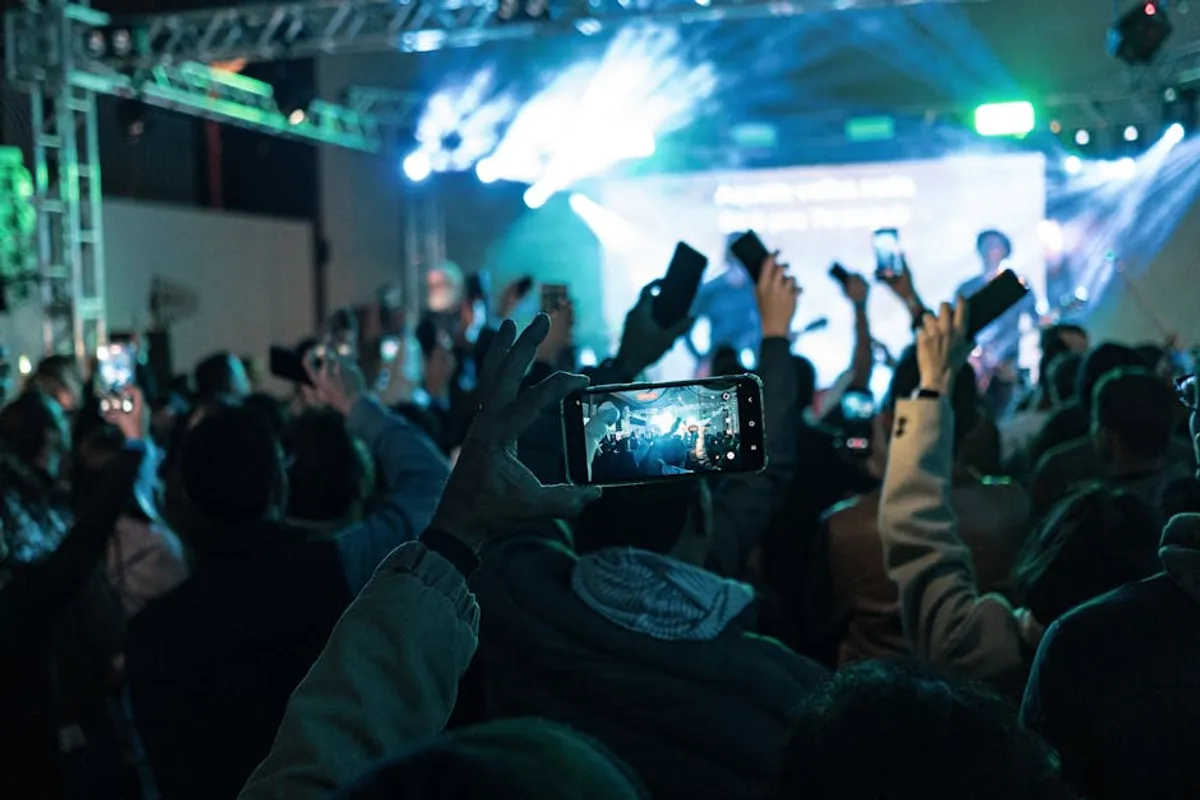
Live events demand real-time, dynamic content to capture immediate interest and capitalize on social media virality. This is where audience engagement peaks.
Best for: Social media takeovers, live blogging, short-form video (Reels, TikTok), behind-the-scenes content, quick interviews, and user-generated content aggregation. This content drives immediate traffic and fosters a sense of community. For brands, this means showcasing product use in context or running interactive campaigns. Publishers can provide immediate recaps, photo galleries, and emerging trend observations (e.g., fashion, new sounds).
Post-Event Analysis: Recap, Learnings, and Evergreen Content
The commercial value of an event doesn't end when the music stops. Post-event analysis offers opportunities for evergreen content and strategic insights.
Content Focus: "Best moments" highlights, impact reports (e.g., local economic boost), fashion trend recaps, "what we learned" summaries, and future predictions. This content can continue to drive long-tail search traffic for months. For marketers, it provides valuable data on audience demographics, sentiment, and engagement metrics for future campaign optimization. Publishers can establish authority by offering insightful analysis and forecasting.
Commercial Applications: Sponsorships, Affiliates, and Data Insights
Beyond direct ticket sales, music events offer multifaceted commercial applications for various stakeholders.
Pro Tip: For significant sponsorship opportunities, begin outreach and proposal development 9-12 months before major festivals or large artist tours. Brand alignment and activation concepts require extensive lead time for approval and execution.
Affiliate marketing is a straightforward revenue stream, linking to ticket vendors, travel sites, merchandise stores, and even pre-event preparation products. The key is to integrate these links naturally within useful content. For instance, a "Festival Survival Guide" can include affiliate links for specific water bottles, portable chargers, or sunscreen. Similarly, "Artist Merch Drops" can link directly to official stores.
Data insights are perhaps the most enduring commercial value. Analyzing audience demographics, social media sentiment, popular artists, and emerging genres from these events provides invaluable intelligence. This data can inform future content strategy, product development, advertising targeting, and even identify potential brand ambassadors. For agencies, this translates into more precise client recommendations and campaign optimizations. Publishers can use engagement metrics to refine editorial calendars and identify high-performing content types.
Practical Next Steps for Marketers and Publishers
To effectively capitalize on upcoming music events, integrate these steps into your annual planning:
- Annual Event Calendar Integration: Map out major festivals, artist tours, and industry conferences relevant to your audience or niche. Note key dates for lineup announcements, ticket sales, and media accreditation.
- Audience Segmentation: Define which event types attract your target audience. A brand targeting Gen Z might focus on pop and EDM festivals, while a luxury brand might target exclusive classical series or high-profile artist residencies.
- Content Strategy Alignment: Develop a content calendar that phases pre-event, during-event, and post-event content. Ensure keyword research is conducted for each phase.
- Partnership Identification: Research potential collaborators, including event organizers, artists, local businesses, and complementary brands, for sponsored content or joint campaigns.
- Performance Tracking & Analysis: Implement robust analytics to track traffic, engagement, conversions, and sentiment related to your event-centric content. Use these insights to refine future strategies.
Frequently Asked Questions
How do I identify the most commercially valuable music events for my niche?
Research events that align with your target audience's demographics, interests, and spending habits. Look at past attendance figures, social media engagement, and the types of sponsors attracted. Industry reports and music trade publications can also highlight emerging events with growth potential.
What content types perform best for pre-event marketing?
Pre-event content that offers practical value or builds anticipation performs well. This includes "how-to" guides (e.g., "How to get tickets"), planning resources (e.g., "Festival packing list"), artist spotlights, and detailed lineup analyses that help attendees plan their experience.
Can smaller, local music events offer commercial value?
Yes, absolutely. Smaller, local events often provide highly targeted audience engagement opportunities and can be more cost-effective for sponsorships or localized content. They are excellent for community building, hyper-local SEO, and reaching specific regional demographics.
How can I measure the ROI of my music event marketing efforts?
Track key metrics such as website traffic (especially from event-related keywords), social media engagement (mentions, shares, comments), conversion rates from affiliate links, lead generation from sponsored content, and brand sentiment shifts. For larger campaigns, specific brand lift studies can be conducted.