Mastering visual storytelling requires a deep understanding of how camera techniques shape perception and emotion. For SEO professionals, marketers, site owners, agencies, and publishers, the ability to craft compelling video content is no longer optional; it is a core component of digital strategy. The techniques employed in film are not exclusive to blockbuster productions; they are fundamental tools that, when applied thoughtfully, can elevate brand narratives, product demonstrations, and educational content. This article breaks down essential camera techniques, detailing their specific applications, advantages, and challenges, enabling content creators to make informed decisions that resonate with their target audiences and drive engagement. Applying these foundational elements can significantly improve your digital strategy by incorporating cinematography best practices into your brand's visual storytelling.
What to Consider When Choosing a Camera Technique
Selecting the right camera technique for your video content involves more than just aesthetic preference; it requires a strategic alignment with your narrative goals, emotional impact objectives, and practical production constraints. Evaluate each technique based on its capacity to reinforce your message, evoke the desired audience response, and fit within your production budget and timeline. Consider the psychological effect you aim to achieve—whether it's immersion, detachment, suspense, or clarity—and how the chosen technique directly contributes to that outcome. Understanding the technical requirements, such as equipment, crew skill, and post-production implications, is also crucial for successful execution.
1. Dolly Zoom (Vertigo Effect)
The dolly zoom, also known as the Vertigo effect, is a camera technique where the camera moves closer to or further away from the subject while simultaneously zooming in or out in the opposite direction. This manipulation of focal length and camera position keeps the subject roughly the same size in the frame but dramatically alters the background's perspective, either shrinking it to create a sense of unease or expanding it to convey realization or surprise.
Best for: Emphasizing psychological distress, sudden realization, or a profound shift in perception. It's highly effective in dramatic narratives or commercials where a character's internal state needs to be visually externalized.
Pros:
- Creates a strong, immediate emotional impact on the viewer, often unsettling or disorienting.
- Visually communicates a character's internal turmoil or a significant narrative turning point without dialogue.
- Distinctive and memorable, making a scene stand out.
Cons:
- Can be overused or feel clichéd if not applied judiciously and with clear narrative intent.
- Requires precise coordination between camera movement (dolly) and lens zoom, demanding skilled operators and equipment.
- May distract from the core message if the effect overshadows the content.
Verdict: The dolly zoom is a powerful, high-impact technique for conveying specific emotional states or narrative shifts. Its commercial utility lies in its ability to quickly and dramatically underscore a product's transformative effect or a problem's growing intensity in advertising, provided its dramatic nature aligns with the brand's message and is executed with precision.
2. Tracking Shot
A tracking shot involves the camera moving physically through space, typically on a dolly, tracks, or a Steadicam, following a subject or revealing a new environment. Unlike a pan or tilt, which rotates the camera from a fixed point, a tracking shot maintains a consistent distance and perspective relative to the moving subject or explores a scene dynamically, drawing the viewer into the action or environment.
Best for: Immersing the audience in a scene, following a character's journey, revealing complex environments, or building tension as a subject approaches a destination. Ideal for walkthroughs, product reveals, or dynamic narrative sequences.
Pros:
- Creates a strong sense of immersion and continuity, making the viewer feel present in the scene.
- Allows for detailed environmental storytelling, revealing information as the camera moves.
- Can build suspense or anticipation by showing the subject's progress or the unfolding of an event.
Cons:
- Requires specialized equipment (dollies, tracks, Steadicams) and skilled operators, increasing production cost and complexity.
- Setup time can be significant, especially for long or intricate tracks.
- Poor execution can lead to jerky movements that detract from the professional quality.
Verdict: Tracking shots are invaluable for creating cinematic flow and audience engagement. For commercial content, they excel at showcasing product features in motion, guiding viewers through a user experience, or establishing a brand's dynamic presence. The investment in equipment and expertise pays off in heightened production value and viewer immersion.
3. Crane Shot
A crane shot is achieved by mounting a camera on a crane or jib, allowing it to move vertically, horizontally, or diagonally through the air. This technique offers a unique aerial perspective, enabling sweeping movements over landscapes, intricate choreography of actors and objects, or dramatic reveals from high vantage points down to ground level.
Best for: Establishing shots of large environments, revealing significant events from a grand perspective, creating a sense of scale, or providing a dramatic, elegant transition between scenes. Useful for real estate, event coverage, or large-scale product launches.
Pros:
- Provides a unique, often breathtaking, perspective that cannot be achieved with ground-level cameras.
- Excellent for establishing context, showing relationships between elements in a wide shot, or conveying a sense of grandeur.
- Adds significant production value and a polished, professional aesthetic.
Cons:
- Requires specialized, often expensive, equipment and trained crew for safe and effective operation.
- Setup and teardown can be time-consuming and labor-intensive.
- Limited by physical space and ceiling height indoors.
Verdict: Crane shots are a powerful tool for visual impact and conveying scale. In commercial applications, they can dramatically elevate the perceived value of a product or location, offering a premium visual experience. Their use should be reserved for moments where a grand, sweeping perspective genuinely enhances the message and justifies the increased production complexity.
4. Handheld Shot
A handheld shot involves the camera being physically held by the operator, rather than mounted on a tripod, dolly, or crane. This technique results in a less stable, often slightly shaky image, which can convey a sense of immediacy, realism, or urgency. It mimics the natural movement and perspective of a human observer, drawing the audience directly into the action.
Best for: Documentaries, action sequences, point-of-view shots, creating a raw and authentic feel, or conveying a character's emotional state through visual instability. Effective for vlogs, behind-the-scenes content, or urgent news-style reporting.
Pros:
- Conveys a sense of realism, immediacy, and intimacy, making the audience feel part of the action.
- Highly flexible and mobile, allowing for quick adjustments and movement in tight spaces.
- Requires minimal equipment compared to stabilized shots, reducing cost and setup time.
Cons:
- Can appear unprofessional or amateurish if not executed with clear intent and control.
- Excessive shakiness can be distracting or induce viewer discomfort.
- Maintaining focus and framing can be challenging without stabilization aids.
Verdict: Handheld shots are a versatile technique for injecting energy and authenticity into video content. Commercially, they are excellent for creating relatable, unpolished content that resonates with audiences seeking genuine experiences, such as user testimonials or behind-the-scenes glimpses. Its effectiveness hinges on intentional application to avoid appearing merely unrefined.
5. Point of View (POV) Shot
A POV shot presents the perspective of a specific character or object within the scene, showing what they would see. The camera essentially becomes the character's eyes, placing the audience directly into their subjective experience. This technique can be achieved through various camera setups, including handheld, body-mounted, or fixed-position cameras, depending on the desired effect.
Best for: Building empathy for a character, creating suspense by showing limited information, demonstrating a product's use from the user's perspective, or immersing the audience in a specific activity. Ideal for instructional videos, gaming content, or immersive brand experiences.
Pros:
- Creates extreme audience immersion and empathy by placing them directly in the character's shoes.
- Can be highly effective for revealing information gradually or building suspense.
- Excellent for demonstrating how a product or service is experienced by the user.
Cons:
- Can feel disorienting or limiting if overused or if the character's perspective is not engaging.
- May restrict the audience's ability to see the character's reactions or expressions.
- Requires careful consideration of what the character would realistically see and how that informs the narrative.
Verdict: POV shots are a direct route to audience immersion and experiential understanding. For commercial content, they are invaluable for demonstrating product functionality or service benefits from a first-person perspective, making the experience tangible for potential customers. Their power lies in their ability to make the viewer the protagonist.
6. Dutch Angle (Canted Angle)
A Dutch angle, also known as a canted angle, involves tilting the camera so that the horizon line is not parallel to the bottom of the frame. This creates a disorienting, unsettling, or unnatural visual effect, often used to convey psychological unease, confusion, or a sense of impending danger. The skewed perspective immediately signals that something is amiss or out of balance.
Best for: Conveying psychological tension, instability, madness, or a surreal atmosphere. Effective in thrillers, horror, or avant-garde commercials seeking to challenge conventional perspectives or highlight disruption.
Pros:
- Immediately creates a sense of unease, disorientation, or dramatic tension.
- Visually communicates psychological states or narrative instability without relying on dialogue.
- Adds a distinctive, often edgy, aesthetic to a scene.
Cons:
- Can be distracting or feel clichéd if used without strong narrative justification.
- Overuse can diminish its impact or make the footage appear amateurish.
- May make some viewers feel uncomfortable or motion-sick if the tilt is too extreme or prolonged.
Verdict: The Dutch angle is a potent, albeit specialized, technique for visual communication of psychological states. Its commercial value lies in its ability to quickly establish a mood of disruption, challenge, or urgency, making it suitable for campaigns that aim to provoke thought or highlight a problem that a product solves. Precision in application is key to avoiding an amateurish appearance.
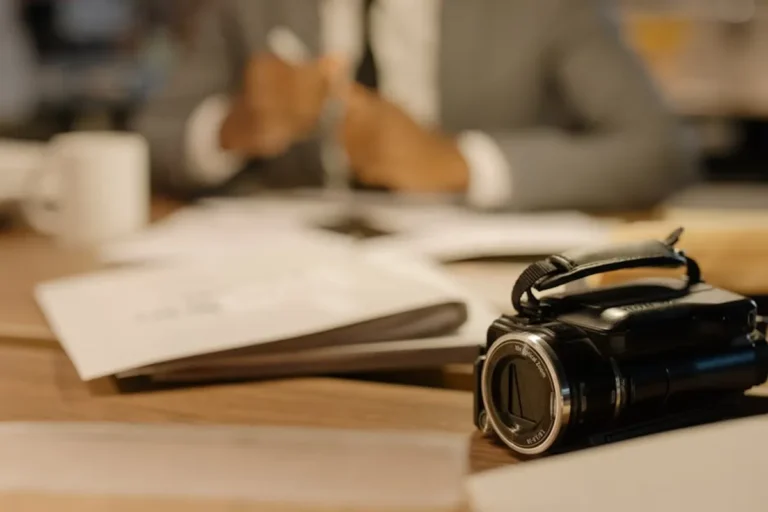
7. Shallow Focus
Shallow focus is a technique where only a narrow range of distance in the frame is in sharp focus, while the foreground and background elements are intentionally blurred (bokeh). This is achieved by using a wide aperture (low f-number) and often a longer focal length. It directs the viewer's attention precisely to the in-focus subject, isolating it from distractions.
Best for: Emphasizing a specific subject, drawing attention to a product detail, creating a sense of intimacy, or separating a character from their environment. Ideal for product photography, interviews, or artistic visual storytelling where focus is paramount.
Pros:
- Directs the viewer's eye precisely to the most important element in the frame.
- Creates a visually pleasing aesthetic with soft, blurred backgrounds (bokeh).
- Can evoke a sense of intimacy, dreaminess, or isolation around the subject.
Cons:
- Requires lenses with wide apertures, which can be more expensive.
- Maintaining precise focus, especially on moving subjects, can be challenging.
- May obscure important background context if not used thoughtfully.
Verdict: Shallow focus is a fundamental technique for visual hierarchy and aesthetic appeal. Commercially, it is indispensable for product showcases, allowing a brand to highlight specific features or the product itself with undeniable clarity against a softened backdrop. It effectively communicates importance and can elevate the perceived quality of visual assets.
8. Deep Focus
Deep focus is a technique where all elements in the frame, from the immediate foreground to the distant background, are kept in sharp focus simultaneously. This is typically achieved using a narrow aperture (high f-number), wide-angle lenses, and sufficient lighting. It allows for multiple layers of visual information to be presented clearly, encouraging the viewer to explore the entire frame.
Best for: Conveying complex narratives with multiple points of interest, establishing intricate environments, showing relationships between characters and their surroundings, or creating a sense of realism and objective observation. Useful for architectural tours, complex infographics, or scenes requiring environmental context.
Pros:
- Allows for rich, detailed storytelling by keeping all elements in the frame sharp.
- Encourages viewer exploration of the entire scene, revealing subtle details.
- Can create a sense of realism and depth, making the environment feel more tangible.
Cons:
- Requires careful lighting to ensure adequate exposure across a deep depth of field.
- Can make a frame appear cluttered or overwhelming if not composed thoughtfully.
- May reduce the emphasis on a single subject, as all elements compete for attention.
Verdict: Deep focus is a powerful technique for conveying information-rich scenes and complex relationships. In commercial content, it is highly effective for showing the breadth of a product ecosystem, the functionality of a complex system, or the intricate details of a location, inviting a thorough visual investigation from the audience. Its strength lies in its comprehensive visual clarity.
9. Rack Focus
Rack focus involves changing the focus from one subject to another within the same shot, typically to shift the viewer's attention. This technique manipulates depth of field, bringing a new subject into sharp focus while blurring the previous one. It's a dynamic way to guide the audience's eye and reveal narrative information or emphasize different elements sequentially.
Best for: Directing viewer attention between two subjects, revealing a surprise, emphasizing a dialogue exchange, or demonstrating a product's features by shifting focus between them. Ideal for interviews, product comparisons, or suspenseful reveals.
Pros:
- Effectively guides the viewer's attention without needing a cut.
- Can create dramatic reveals or emphasize cause-and-effect relationships between subjects.
- Adds visual dynamism and sophistication to a shot.
Cons:
- Requires precise focus pulling skills, especially with wide apertures.
- Can be distracting if the focus transition is too fast, slow, or inaccurate.
- Limited to two or a few distinct planes of focus within the same shot.
Verdict: Rack focus is an elegant and efficient way to control viewer attention and narrative flow within a single shot. For commercial content, it's particularly useful for drawing attention to a product's key features in sequence or highlighting the interaction between different components. Its commercial value lies in its ability to subtly direct the viewer's gaze to crucial information without overt visual cues.
10. Long Take (One-Shot)
A long take, or a "one-shot," is a continuous, uninterrupted camera recording of an extended scene without any cuts. While technically a single take, some complex long takes may involve hidden cuts to create the illusion of continuity. This technique emphasizes real-time action, spatial relationships, and the unedited flow of events, often creating a highly immersive and theatrical experience.
Best for: Building suspense, establishing real-time action, showcasing complex choreography, immersing the audience in a continuous event, or demonstrating mastery of filmmaking. Effective for live event coverage, detailed process demonstrations, or immersive virtual tours.
Pros:
- Creates a strong sense of realism, continuity, and immersion for the viewer.
- Can build intense suspense or emotional connection by maintaining an unbroken perspective.
- Showcases complex choreography and performance, adding significant production value.
Cons:
- Extremely challenging to execute, requiring meticulous planning, rehearsal, and coordination.
- Any mistake requires restarting the entire take, leading to high production costs and time.
- Can be visually monotonous if the action or subject is not inherently engaging throughout.
Verdict: The long take is a high-risk, high-reward technique that, when executed flawlessly, delivers unparalleled immersion and realism. Commercially, it can be used to demonstrate the seamless operation of a product, the efficiency of a process, or the immersive experience of a location, projecting an image of mastery and authenticity. Its impact is directly proportional to its flawless execution.
11. Montage
A montage is a sequence of short shots, often with varying camera techniques, edited together to condense time, convey a series of events, or evoke a particular emotion or idea. It typically juxtaposes distinct images or scenes to create a larger meaning or accelerate the narrative pace. Unlike a long take, a montage thrives on rapid cuts and diverse imagery.
Best for: Showing the passage of time, illustrating a training sequence, summarizing a journey, conveying a character's emotional progression, or creating a dynamic visual summary of a product's benefits. Ideal for brand anthems, explainer videos, or highlight reels.
Pros:
- Efficiently conveys a large amount of information or a long period of time in a short duration.
- Can evoke strong emotional responses through the juxtaposition of images and sound.
- Highly versatile for summarizing processes, demonstrating progress, or building excitement.
Cons:
- Requires careful selection and sequencing of shots to ensure clarity and impact.
- Can feel disjointed or rushed if the pacing and transitions are not expertly handled.
- May sacrifice detailed character or plot development for the sake of narrative acceleration.
Verdict: Montage is an indispensable editing technique for compressing information and evoking emotion. For commercial content, it is highly effective for quickly showcasing the breadth of a product's features, the transformation it offers, or the lifestyle it enables. Its commercial utility lies in its ability to deliver maximum impact and information density within brief, engaging sequences.
12. Slow Motion
Slow motion involves filming at a higher frame rate than playback, causing the action to appear slowed down when played back at a standard frame rate. This technique extends moments in time, allowing the viewer to observe details that would otherwise be missed, or to emphasize the dramatic weight, beauty, or intensity of an action. It can transform ordinary movements into compelling visual spectacles.
Best for: Emphasizing impact, showcasing intricate details of a movement, highlighting a product's design or functionality, adding dramatic flair, or creating a sense of heightened emotion. Ideal for product demonstrations, sports highlights, or artistic visual sequences.
Pros:
- Allows for the appreciation of fine details and nuances of movement that are invisible at normal speed.
- Enhances dramatic impact, tension, or emotional weight of specific moments.
- Can make otherwise mundane actions appear graceful, powerful, or visually captivating.
Cons:
- Requires cameras capable of high frame rate recording, which can be more expensive.
- Can consume significant storage space due to higher data rates.
- Overuse can make content feel drawn out or lose its impact.
Verdict: Slow motion is a powerful tool for emphasizing detail and amplifying emotional impact. In commercial applications, it excels at highlighting the precision of a product's engineering, the elegance of its use, or the dramatic effect of its benefits, creating a premium and memorable visual experience. Its strategic use can elevate perceived quality and intrigue.
Applying Camera Techniques for Impact
The effectiveness of any camera technique is measured by its contribution to the overall narrative and its ability to achieve specific communication goals. For marketers and content creators, this means evaluating how a technique enhances brand messaging, drives viewer engagement, or influences purchasing decisions. Success is not merely about technical execution but about the emotional and intellectual response elicited. Analyze viewer retention rates on video platforms, track conversion rates from video campaigns, and gather qualitative feedback on the emotional impact of your content. A technique is successful if it effectively guides the audience's attention, reinforces the intended message, and ultimately contributes to the desired commercial outcome.
Frequently Asked Questions
What is the difference between a pan and a tracking shot?
A pan involves rotating the camera horizontally from a fixed position, like turning your head while standing still. A tracking shot, conversely, moves the entire camera physically through space, often on a dolly or tracks, allowing it to follow a subject or reveal an environment dynamically.
When should I use deep focus versus shallow focus?
Use shallow focus when you want to isolate a single subject and direct the viewer's attention exclusively to it, creating intimacy or emphasizing detail. Use deep focus when you need to show multiple elements in a scene clearly, conveying complex relationships or an intricate environment, and encouraging the viewer to explore the entire frame.
Are handheld shots always indicative of low production value?
Not necessarily. While excessive, unintentional