
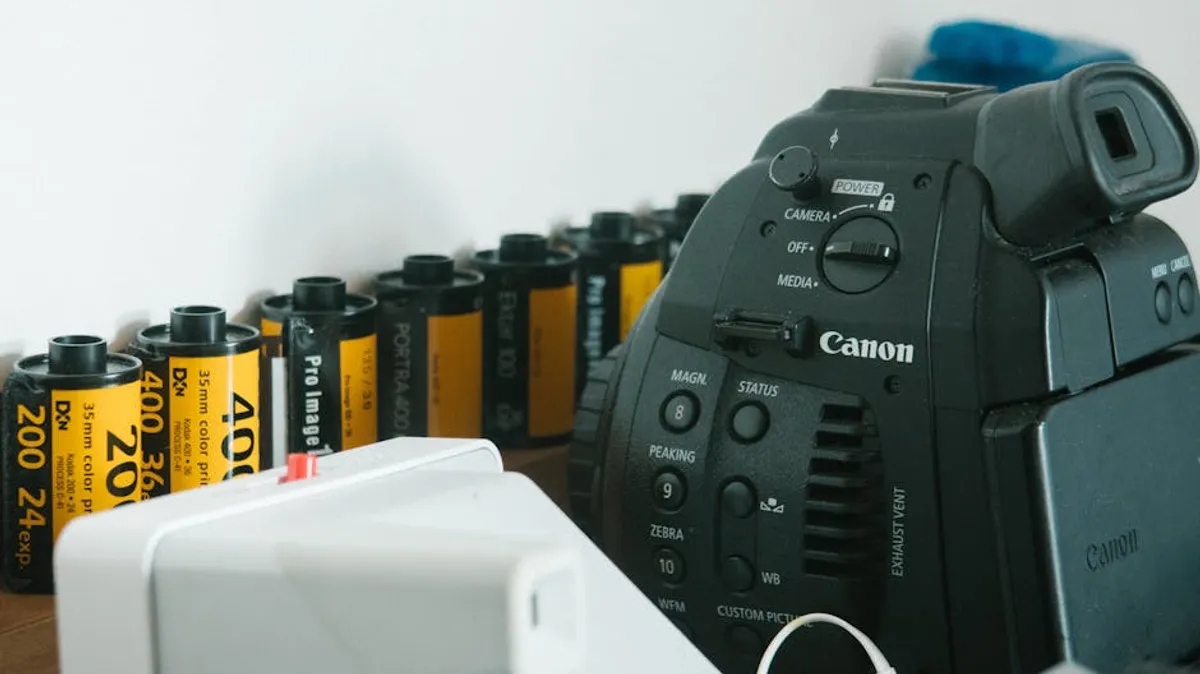
Creating compelling visual narratives requires more than just pointing a camera; it demands a deep understanding of film and cinematography. This guide provides a foundational overview for anyone looking to grasp the principles behind professional-grade video production, whether you're an aspiring filmmaker, a marketer commissioning video content, or a site owner aiming to elevate your visual storytelling. We'll explore the technical artistry, essential equipment, and collaborative processes that transform raw footage into impactful cinematic experiences. This guide provides a foundational overview for anyone looking to grasp the principles behind professional-grade video production, whether you're an aspiring filmmaker, a marketer commissioning video content, or a site owner aiming to elevate your visual storytelling, and we'll delve into the foundational principles of cinematography.
Understanding the Fundamentals of Cinematography
The Role of the Cinematographer (DP)
The Director of Photography (DP) or Cinematographer is the visual architect of a film. Their role extends far beyond merely operating a camera; they are responsible for translating the director's vision into a cohesive visual language. This involves making critical decisions about lighting, framing, camera movement, and lens choices to establish mood, convey emotion, and guide the audience's eye through the narrative. A skilled DP understands how every visual element contributes to the story's emotional and thematic core. A skilled DP understands how every visual element contributes to the story's emotional and thematic core, making them key to best practices for visual storytelling.
Key Elements of Visual Storytelling
Effective cinematography relies on a mastery of several interconnected elements:
- Composition: How elements are arranged within the frame. Techniques like the Rule of Thirds, leading lines, symmetry, and negative space are used to create balance, draw attention, and evoke specific feelings. Proper composition can make a shot feel expansive, claustrophobic, intimate, or powerful.
- Lighting: Arguably the most crucial element, lighting shapes the mood, depth, and texture of a scene. Understanding natural light, artificial light sources (like LED, HMI, tungsten), and modifiers (diffusers, reflectors) allows a DP to sculpt faces, highlight key narrative points, and establish time of day or atmosphere. Three-point lighting (key, fill, back) is a fundamental technique for illuminating subjects effectively.
- Color Theory: The deliberate use of color palettes influences audience perception and emotional response. Warm tones can suggest comfort or danger, while cool tones might evoke serenity or isolation. Consistent color grading across a film helps maintain visual continuity and reinforce thematic elements.
Essential Equipment and Its Impact
Cameras: More Than Just Resolution
While resolution is often a headline feature, a camera's true value in cinematography lies in its sensor size, dynamic range, and color science. Larger sensors (full-frame, Super 35) generally offer better low-light performance and shallower depth of field, creating a more "cinematic" look. High dynamic range (HDR) captures more detail in both shadows and highlights, providing greater flexibility in post-production. Frame rates (24fps for filmic look, higher for slow-motion) and lens mount compatibility are also critical considerations. Different camera types, from advanced mirrorless systems to dedicated cinema cameras, offer varying levels of control and image quality tailored to specific production needs.
Lenses: The Eye of the Camera
Lenses are paramount in defining the visual style of a film. Focal length dictates the field of view: wide-angle lenses expand space and exaggerate perspective, normal lenses mimic human vision, and telephoto lenses compress space, isolating subjects. Aperture (f-stop) controls the amount of light entering the lens and, crucially, the depth of field—how much of the scene is in focus. Prime lenses (fixed focal length) are often favored for their superior sharpness and wider apertures, while zoom lenses offer versatility on set.
Lighting Gear and Modifiers
Beyond the raw light source, modifiers are essential for shaping and controlling light. Diffusion materials soften harsh light, creating more flattering and natural illumination. Reflectors bounce light back onto a subject, filling shadows. Flags and cutters block light to create specific patterns or prevent spill. Understanding how to use these tools transforms a simple light into a versatile instrument for visual storytelling.
Support and Stabilization
Camera movement is a powerful narrative device. Tripods provide static stability for precise framing. Gimbals and stabilizers enable smooth, flowing camera movements, ideal for tracking shots or dynamic sequences. Sliders and dollies introduce controlled lateral or forward/backward motion, adding depth and drawing the viewer into the scene. Each tool serves a distinct purpose in achieving the desired visual rhythm and perspective.
Pro Tip: Prioritize understanding lighting and composition over acquiring the most expensive camera. Exceptional visual storytelling is built on fundamental principles, not just cutting-edge technology. A well-lit, thoughtfully composed shot from an entry-level camera will always outperform a poorly conceived shot from a high-end cinema rig.
Pre-Production: Laying the Visual Foundation
Storyboarding and Shot Listing
Before any filming begins, detailed planning is crucial. Storyboards are visual representations of each shot, illustrating camera angles, character positions, and key actions. Shot lists break down each scene into individual shots, specifying camera type, lens, movement, and framing. These tools ensure that the director and DP are aligned on the visual approach and streamline the production process.
Location Scouting and Blocking
Choosing the right location impacts everything from natural light availability to acoustic properties and logistical challenges. Once a location is selected, blocking involves choreographing actor movements and camera positions within the space. This collaborative process between the director, DP, and actors ensures that every movement serves the narrative and optimizes the visual impact of each frame.
Collaborative Vision: Director and DP
The relationship between the director and DP is foundational to cinematic success. They work together to translate the script's emotional beats and narrative arcs into visual cues. This often involves discussing references, mood boards, and specific visual metaphors to create a coherent and impactful aesthetic that supports the story.
Post-Production: Shaping the Final Image
Editing for Pacing and Flow
The editing process is where individual shots are assembled into a cohesive narrative. The editor, guided by the director, determines the pacing, rhythm, and flow of the film. Shot choices made during cinematography directly influence the editor's ability to create tension, build suspense, or convey a sense of calm. A strong visual plan in pre-production leads to a smoother, more effective edit.
Color Grading and Correction
Color grading is the final artistic pass on the film's visuals. Color correction ensures consistency across all shots, balancing exposure and white balance. Color grading then applies a specific aesthetic, enhancing mood, establishing genre, and reinforcing thematic elements. This process can dramatically alter the emotional impact of a scene, transforming raw footage into a polished, professional-looking product.
Visual Effects (VFX) Integration
Visual effects, ranging from subtle enhancements to complex CGI, are integrated during post-production. The cinematographer's initial choices regarding lighting, camera angles, and green screen usage directly impact the seamlessness and realism of VFX. Planning for VFX during pre-production ensures that the necessary elements are captured on set, simplifying the post-production workflow.
Elevating Your Visual Storytelling
Mastering film and cinematography is an ongoing journey that blends technical proficiency with artistic intuition. By understanding the core principles of composition, lighting, and camera work, and appreciating the collaborative nature of filmmaking, you can significantly enhance your ability to create or commission visually compelling content. Continuous practice, critical viewing of other works, and experimentation with different techniques are key to developing a unique and impactful visual voice.
Frequently Asked Questions
What is the difference between film and cinematography?
Film refers to the broader art form and medium of moving images, encompassing all aspects of production from scriptwriting to distribution. Cinematography is a specific discipline within filmmaking, focusing on the art and science of photographic lighting and camera work to capture a visual story.
Do I need expensive gear to start learning cinematography?
No. While professional productions use high-end equipment, you can learn and practice fundamental cinematography principles with a smartphone or a basic DSLR/mirrorless camera. Focus on understanding light, composition, and storytelling before investing heavily in gear.
How important is lighting in cinematography?
Lighting is arguably the most critical element. It defines mood, reveals texture, creates depth, and draws the viewer's eye. Even the most compelling story can fall flat without thoughtful and deliberate lighting choices.
What is color grading, and why is it important?
Color grading is the post-production process of altering and enhancing a film's colors to achieve a specific aesthetic or emotional tone. It's crucial for establishing mood, ensuring visual consistency, and giving a project a polished, professional cinematic look.