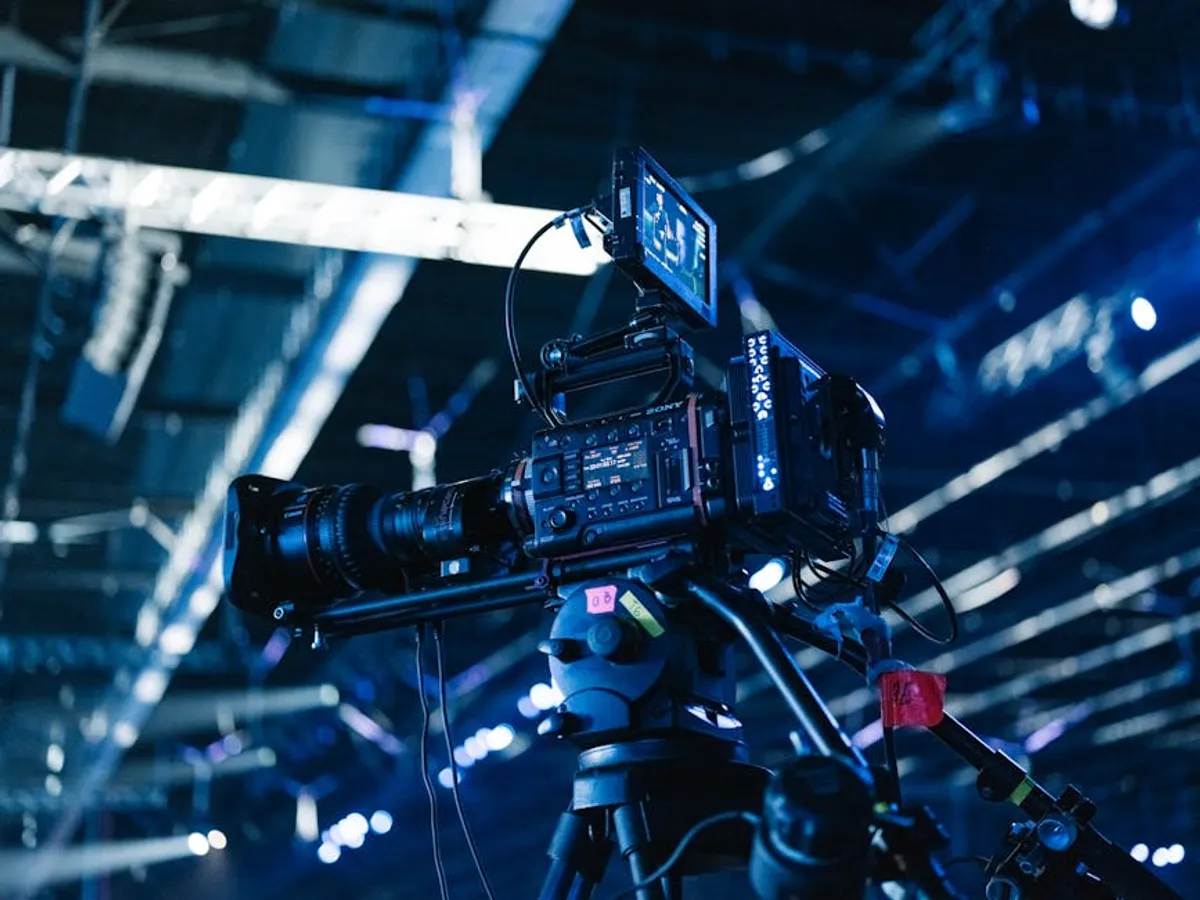
Effective film lighting transcends mere aesthetic appeal; it directly influences viewer perception, message retention, and, ultimately, the commercial efficacy of video content. For brands, marketers, and content creators, understanding and implementing best practices in lighting isn't solely about visual polish—it's about strategic communication and audience engagement. Poor lighting can undermine even the most compelling narrative or product demonstration, leading to lower engagement, reduced credibility, and a diminished return on video investment. Conversely, well-executed lighting elevates production value, clarifies messaging, and fosters a stronger connection with the audience. To truly master your craft, it's also helpful to understand common film lighting mistakes that can detract from your final product.
Understanding the Fundamentals of Light
Before shaping light, it's crucial to grasp its core properties. These elements dictate how light interacts with your subject and environment, forming the foundation for any effective lighting setup. Understanding the fundamental properties of light will unlock a deeper comprehension of how it behaves and how to manipulate it effectively.
Key Properties of Light: Intensity, Color Temperature, Direction
Intensity: Refers to the brightness of the light source. Proper intensity ensures subjects are adequately exposed without being overblown or underexposed. For commercial videos, consistent intensity across scenes maintains visual continuity, preventing jarring shifts that can distract viewers.
Color Temperature: Measured in Kelvin (K), color temperature describes the warmth or coolness of light. Lower Kelvin values (e.g., 2700K) produce warm, orange tones, while higher values (e.g., 5600K) yield cool, blue tones. Matching color temperatures across multiple light sources prevents color casts and ensures accurate representation of brand colors and product aesthetics.
Direction: The angle from which light strikes a subject profoundly affects its appearance, creating shadows and highlights that define form and texture. Strategic direction can sculpt a subject, add depth to a scene, or draw attention to specific product features.
The Three-Point Lighting System for Clarity
The three-point lighting system is a foundational technique that provides balanced and professional illumination. It comprises three distinct lights, each serving a specific purpose:
- Key Light: The primary and brightest light source, positioned to one side of the camera and subject. It defines the subject's main features and creates prominent shadows.
- Fill Light: Placed on the opposite side of the camera from the key light, the fill light softens and reduces the shadows created by the key light. It's typically less intense than the key light to maintain some depth and contrast.
- Backlight (or Hair Light): Positioned behind the subject, opposite the camera. The backlight separates the subject from the background, creating a subtle rim of light that adds depth and dimension.
This system, when applied correctly, ensures subjects are clearly visible, well-defined, and visually appealing, which is paramount for conveying information effectively in commercial contexts.
Shaping Light for Commercial Impact
Beyond simply illuminating a scene, shaping light allows for precise control over mood, texture, and focus, directly impacting how viewers perceive your brand and message.
Hard Light vs. Soft Light: Strategic Applications
Hard Light: Characterized by sharp, well-defined shadows and high contrast. It is produced by small, direct light sources (e.g., bare bulb, direct sunlight).
Commercial Use: Hard light can create drama, emphasize texture (useful for certain product shots like metallic surfaces or rugged materials), or convey a sense of urgency. However, it can also be unflattering for human subjects, creating harsh lines and deep shadows.
Soft Light: Characterized by gradual transitions between light and shadow, with diffused edges. It is produced by large light sources or by diffusing hard light (e.g., through a softbox, umbrella, or bouncing off a large surface).
Commercial Use: Soft light is generally more flattering for interviews, product demonstrations, and brand storytelling, as it reduces harsh shadows, minimizes skin imperfections, and presents subjects in a more professional and approachable manner. This contributes to a positive brand image and viewer comfort.
Pro Tip: When lighting for interviews or testimonials, prioritize soft, diffused light. This creates a more inviting and trustworthy appearance for the speaker, encouraging audience connection and message credibility. Harsh shadows can inadvertently make subjects appear less approachable.
Controlling Shadows and Contrast
Shadows are not merely the absence of light; they are integral to defining form and creating mood. Effective lighting involves deliberate control over shadow placement and intensity. High contrast (deep shadows, bright highlights) can add drama and intensity, while low contrast (subtle shadows, even lighting) creates a softer, more uniform look. For product videography, controlling shadows precisely can highlight specific features or textures, guiding the viewer's eye to key selling points.
Color and Mood: Emotional Resonance in Film Lighting
The color of light profoundly influences the emotional tone of your video, impacting how your audience feels about the content and, by extension, your brand.
Color Temperature for Brand Consistency
Maintaining consistent color temperature across all your video content reinforces brand identity. A brand that consistently uses warm tones might evoke feelings of comfort and approachability, while one favoring cool tones might project professionalism and innovation. Deviating from a chosen color temperature without clear intent can create visual dissonance, potentially undermining brand guidelines and recognition.
Using Gels and Practical Lights
Gels: Colored filters placed over light sources to change their color. Gels can introduce specific hues to match a brand's palette, create atmospheric effects (e.g., simulating a sunset), or correct color imbalances.
Practical Lights: Light sources visible within the frame (e.g., lamps, neon signs, computer screens). These add realism and can serve as motivational light sources, justifying other artificial lights and enhancing the scene's authenticity. Strategic use of practicals can subtly reinforce brand messaging or create a distinct visual style.
Practical Considerations for Diverse Productions
Lighting strategies must adapt to the specific demands of different video types, ensuring optimal results for various commercial objectives.
Lighting for Interviews and Talking Heads
For content featuring individuals speaking directly to the camera, the primary goal is to make the subject appear credible, engaging, and professional. This typically involves a soft, even three-point lighting setup, often with additional diffusion to minimize glare on glasses or shiny skin. Eye lights (small, focused lights) can add a sparkle to the eyes, making the subject appear more lively and connected to the viewer.
Product Videography: Highlighting Detail and Form
Product lighting requires precision to showcase features, textures, and dimensions. Often, this involves using multiple small, controllable light sources to sculpt the product, along with reflective surfaces or white cards to bounce light into shadowed areas. For highly reflective products, careful placement of diffusers and flags (light-blocking materials) is essential to avoid unwanted reflections and glare. The goal is to make the product look its best, enhancing its perceived value.
Leveraging Natural Light Effectively
Natural light, particularly soft daylight from a window or on an overcast day, can be an excellent and cost-effective light source. It's often soft and flattering. However, natural light is variable; its intensity and color temperature change throughout the day. When relying on natural light, plan shoots around the "golden hour" (shortly after sunrise or before sunset) for warm, soft light, or use diffusers to soften harsh midday sun. Consistency is key, so supplementing with artificial lights might be necessary for extended shoots or varied locations.
Optimizing Your Lighting Workflow
Efficient lighting practices involve more than just technical setup; they integrate into a broader production strategy.
Pre-visualization and planning are critical. Storyboarding and creating a lighting diagram for key shots can save significant time on set. Investing in versatile, portable lighting equipment that can adapt to different environments and power sources enhances flexibility. Regularly checking and maintaining your equipment ensures reliability. For teams, clear communication about lighting goals and technical specifications prevents misunderstandings and rework. Ultimately, a streamlined lighting workflow contributes to higher quality output within production timelines and budgets, directly supporting commercial objectives.
Elevating Your Video Content
Integrating these film lighting best practices into your production workflow elevates video content beyond mere visuals. It's a strategic investment in clarity, emotional connection, and professional presentation, directly impacting audience engagement and commercial outcomes. By mastering the nuances of light, you empower your videos to communicate more effectively, build stronger brand perceptions, and achieve your marketing goals with greater impact.
Frequently Asked Questions
Why is professional lighting so important for brand videos?
Professional lighting significantly enhances perceived production value, making your brand appear more credible and trustworthy. It improves message clarity, ensures brand colors are accurately represented, and creates an emotional connection with viewers, all of which contribute to higher engagement and conversion rates.
Can I achieve good lighting with a limited budget?
Yes, effective lighting doesn't always require expensive equipment. Leveraging natural light, using simple diffusers like white sheets, bouncing light off white foam core boards, and utilizing affordable LED panels can yield excellent results. Understanding the principles of light is more critical than the cost of the gear.
How does lighting affect audience perception of a product or service?
Lighting directly influences how a product's features, textures, and form are perceived. Soft, even lighting can make a product appear luxurious and inviting, while dramatic, high-contrast lighting can emphasize ruggedness or power. For services, good lighting in testimonial videos can make spokespeople seem more authentic and authoritative, building trust.
What is the most common lighting mistake to avoid in commercial video production?
One of the most common mistakes is failing to control ambient light or mixing color temperatures. This can result in distracting color casts, inconsistent exposure, and a generally unprofessional look. Always aim to match or balance the color temperature of all light sources, including natural light, to maintain visual harmony.