
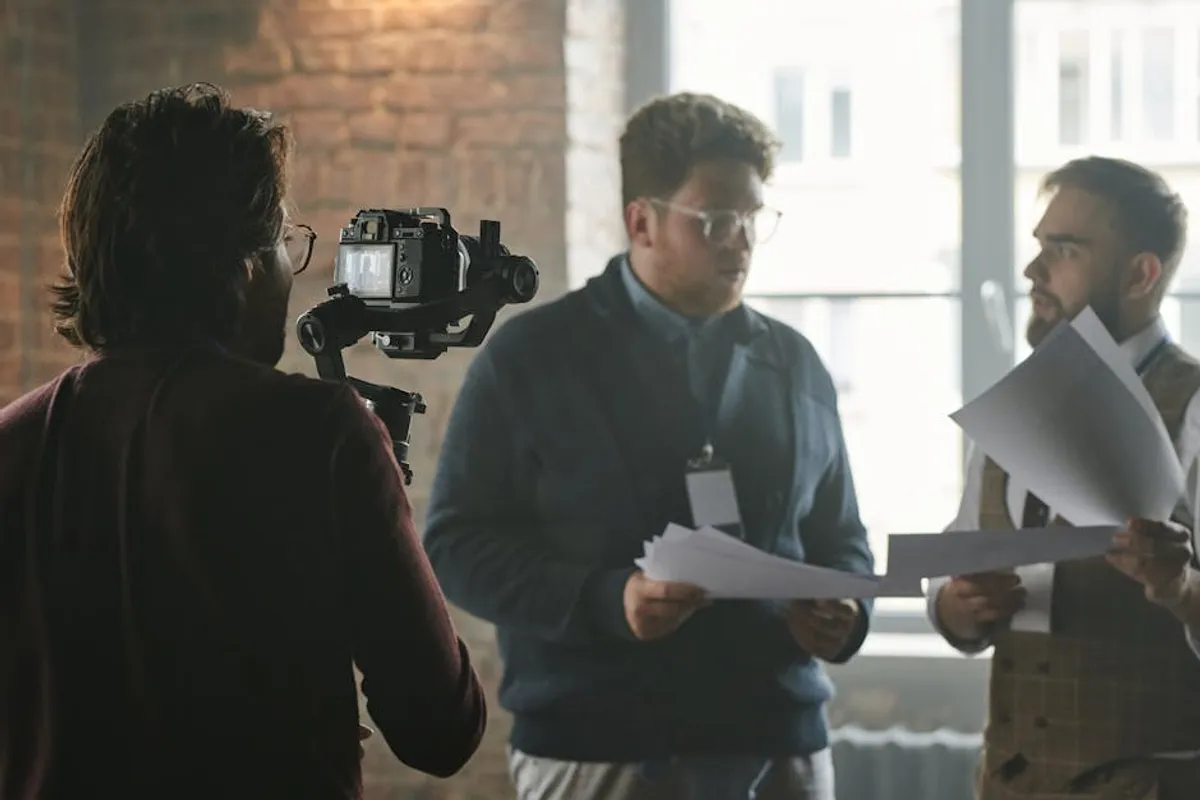
Effective film lighting extends beyond mere illumination; it functions as a critical narrative device, shaping audience perception, conveying mood, and emphasizing key story elements. Understanding specific lighting examples allows filmmakers and marketers to make deliberate choices that enhance visual storytelling and achieve commercial objectives. Each lighting technique carries inherent psychological and aesthetic implications, directly influencing how a scene, character, or product is received. The goal is not just to see, but to feel and understand through the intentional manipulation of light and shadow. Understanding these fundamental film lighting techniques is key to mastering visual storytelling and audience engagement.
Foundational Lighting Techniques
These techniques form the bedrock of cinematic illumination, offering versatile frameworks for various narrative and commercial applications.
Three-Point Lighting: The Standard Setup
The three-point lighting system is a fundamental approach that provides balanced, dimensional illumination for subjects. It comprises three distinct light sources:
- Key Light: The primary and strongest light source, positioned to one side of the camera and subject. It defines the subject's main form and creates dominant shadows.
- Fill Light: Placed opposite the key light, it softens and reduces the harshness of the shadows created by the key light. Its intensity is typically lower than the key light, ensuring dimension is maintained.
- Back Light (or Rim Light): Positioned behind the subject, often slightly off-center. This light separates the subject from the background, creating a subtle halo effect and adding depth to the image.
Example Application: Interviews, traditional dramas, and product demonstrations frequently employ three-point lighting to ensure subjects are well-defined, clearly visible, and appear dimensional. For a commercial product shot, the key light might highlight the product's main features, the fill light would soften any distracting shadows, and the backlight would make the product "pop" from its background, enhancing its visual appeal.
High-Key and Low-Key: Mood Setters
These two approaches define the overall brightness and contrast of a scene, dictating its emotional tone.
High-Key Lighting: Characterized by bright, even illumination with minimal shadows and low contrast. The scene appears well-lit, often with an optimistic or clean aesthetic.
- Characteristics: Dominant fill light, often multiple soft light sources, minimal shadow areas.
- Example Application: Comedies, musicals, daytime scenes, and commercials for products emphasizing cleanliness, freshness, or family-friendliness (e.g., detergents, baby products, health foods). The bright, airy feel evokes positivity and trustworthiness.
Low-Key Lighting: Features prominent shadows, high contrast, and often a single, hard light source. Much of the scene remains underexposed, creating a sense of mystery, drama, or suspense.
- Characteristics: Dominant key light with little to no fill, creating deep, defined shadows.
- Example Application: Thrillers, film noir, horror, and dramatic sequences. In commercial contexts, low-key lighting can convey luxury, exclusivity, or intensity, often used for high-end watches, spirits, or sophisticated fashion campaigns. The pronounced shadows add a sense of intrigue and sophistication.
Narrative-Driven Lighting Approaches
Beyond basic illumination, lighting can be used to tell a story or ground a scene in reality.
Practical and Motivated Lighting: Realism and Purpose
Practical Lighting: Refers to light sources that are visible within the scene itself and contribute to the overall illumination. These can be lamps, candles, streetlights, television screens, or car headlights.
- Example Application: A character reading by the warm glow of a bedside lamp, a street scene illuminated by neon signs and streetlights, or a restaurant interior lit by overhead fixtures. Practical lights enhance realism and provide visual interest, often serving as a visible source for motivated lighting.
Motivated Lighting: Occurs when the lighting in a scene appears to originate from a logical, visible source within the environment, whether it's a practical light or an implied off-screen source like a window or a campfire. Even if the actual light fixture is outside the frame, its effect is consistent with a source that would naturally exist.
- Example Application: A character standing near a window, and the primary light on their face clearly comes from that window. Or a scene at night where the only visible light source is a flickering television, and the room's illumination realistically emanates from it. This technique enhances immersion by maintaining visual consistency with the scene's environment.
Unmotivated Lighting: Purely Thematic
Unmotivated Lighting: This technique employs light that does not originate from any visible or implied source within the scene. Its purpose is purely aesthetic or thematic, often used to create a specific mood, highlight a character, or symbolize an abstract idea.
- Example Application: A sudden spotlight on a character in a dark room with no visible stage lights, or a dramatic shaft of light cutting through a seemingly solid wall. This is common in musicals, dream sequences, or highly stylized films where realism is secondary to emotional impact. Commercially, it can create a surreal or iconic image, drawing immediate attention to a product or message in an unexpected way.
Character and Subject-Focused Lighting
Specific lighting patterns can sculpt faces and define forms, emphasizing character traits or product details.
Rembrandt and Butterfly: Sculpting Faces
Rembrandt Lighting: A classic portrait lighting technique characterized by a small, inverted triangle of light on the cheek opposite the main light source, while the rest of that cheek remains in shadow. The key light is placed high and to the side, creating a dramatic, chiaroscuro effect.
- Example Application: Often used for dramatic portraits, historical dramas, or scenes requiring a serious or contemplative mood. It adds depth and intensity to a character's face, making it suitable for conveying gravitas or internal conflict.
Butterfly Lighting (or Paramount Lighting): Named for the butterfly-shaped shadow it creates directly under the nose. The key light is positioned directly in front of the subject and slightly above eye level, casting a symmetrical shadow and highlighting the cheekbones and forehead.
- Example Application: Historically popular in classic Hollywood glamour photography and beauty commercials. It emphasizes facial symmetry, sculpts the features, and creates a soft, flattering, often elegant look, ideal for beauty products or high-fashion shoots.
Silhouette and Edge Lighting: Defining Form
Silhouette Lighting: Achieved by placing the primary light source entirely behind the subject, with little or no light on the front. The subject appears as a dark, undefined shape against a brighter background.
- Example Application: Used to create suspense, mystery, or to emphasize a character's form or action without revealing their identity. In commercial contexts, it can be used for artistic effect, focusing on product shape rather than detail, or to create a dramatic reveal.
Edge Lighting (or Rim Lighting): A light placed behind and to the side of the subject, creating a bright outline around their form. This separates the subject distinctly from the background, adding depth and a sense of three-dimensionality.
- Example Application: Frequently used in conjunction with three-point lighting to enhance separation. It can make subjects "pop" from the background, adding a dramatic flair, or emphasizing hair and clothing textures. For product photography, it can highlight contours and give a premium feel.
Light Quality: Hard vs. Soft Effects
The quality of light—whether hard or soft—profoundly impacts the mood and texture of a scene.
Hard Light: Produced by a small, direct light source (e.g., direct sunlight, a bare bulb). It creates sharply defined shadows with distinct edges and high contrast.
- Example Application: Ideal for gritty, dramatic, or intense scenes. It can emphasize texture, wrinkles, or imperfections, conveying harshness or realism. Think film noir detectives in shadowy offices or intense interrogation scenes.
Soft Light: Generated by a large, diffused light source (e.g., an overcast sky, a light bounced off a large reflector, or through a softbox). It produces gentle, feathered shadows with gradual transitions and lower contrast.
- Example Application: Preferred for beauty shots, romantic scenes, or anytime a flattering, gentle, or ethereal look is desired. It minimizes blemishes and creates a smooth, even illumination, often used in commercials for cosmetics, luxury goods, or to evoke comfort and warmth.
Pro Tip: Avoid 'flat' lighting. Even in high-key scenes or when aiming for a soft look, subtle shadow and dimension are crucial for visual interest and to prevent subjects from blending into the background. Use fill light strategically to soften, not eliminate, all shadows, thereby preserving depth and form.
Strategic Application of Lighting Examples
The intentional use of these lighting techniques directly translates into commercial advantage. For a brand selling high-tech gadgets, employing edge lighting can emphasize sleek design and innovation. A food commercial might use soft, warm lighting to evoke comfort and deliciousness. Conversely, a public service announcement about a serious topic might leverage low-key lighting to convey gravity and urgency. Each choice is a deliberate message to the audience, influencing their emotional response and perception of the subject or product.
Mastering Light for Visual Storytelling
Understanding and applying these film lighting examples is fundamental for anyone aiming to craft compelling visuals. Each technique serves a specific purpose, from establishing mood and revealing character to highlighting product features and guiding audience attention. By treating light as an active participant in the narrative, creators can elevate their work, ensuring every frame communicates with precision and impact. Experimentation and a keen eye for how light interacts with subjects are key to mastering this powerful aspect of visual communication.
Frequently Asked Questions
What is the primary function of fill light in a three-point setup?
The primary function of fill light is to soften and reduce the harsh shadows created by the key light, ensuring that details in the shadow areas remain visible and preventing overly dramatic or high-contrast illumination.
How can lighting influence a product's perceived value?
Lighting significantly influences perceived value by setting mood and emphasizing features. Low-key, high-contrast lighting can convey luxury and exclusivity, while bright, soft, high-key lighting might suggest cleanliness, freshness, or accessibility. Edge lighting can highlight premium materials and sleek design.
What is the difference between hard and soft light?
Hard light comes from a small, direct source, creating sharp, well-defined shadows and high contrast. Soft light comes from a large, diffused source, producing gentle, feathered shadows with gradual transitions and lower contrast.
When is silhouette lighting most effective?
Silhouette lighting is most effective when the goal is to create mystery, suspense, or to emphasize the form and outline of a subject rather than its internal details. It's often used for dramatic effect or to convey anonymity.



