
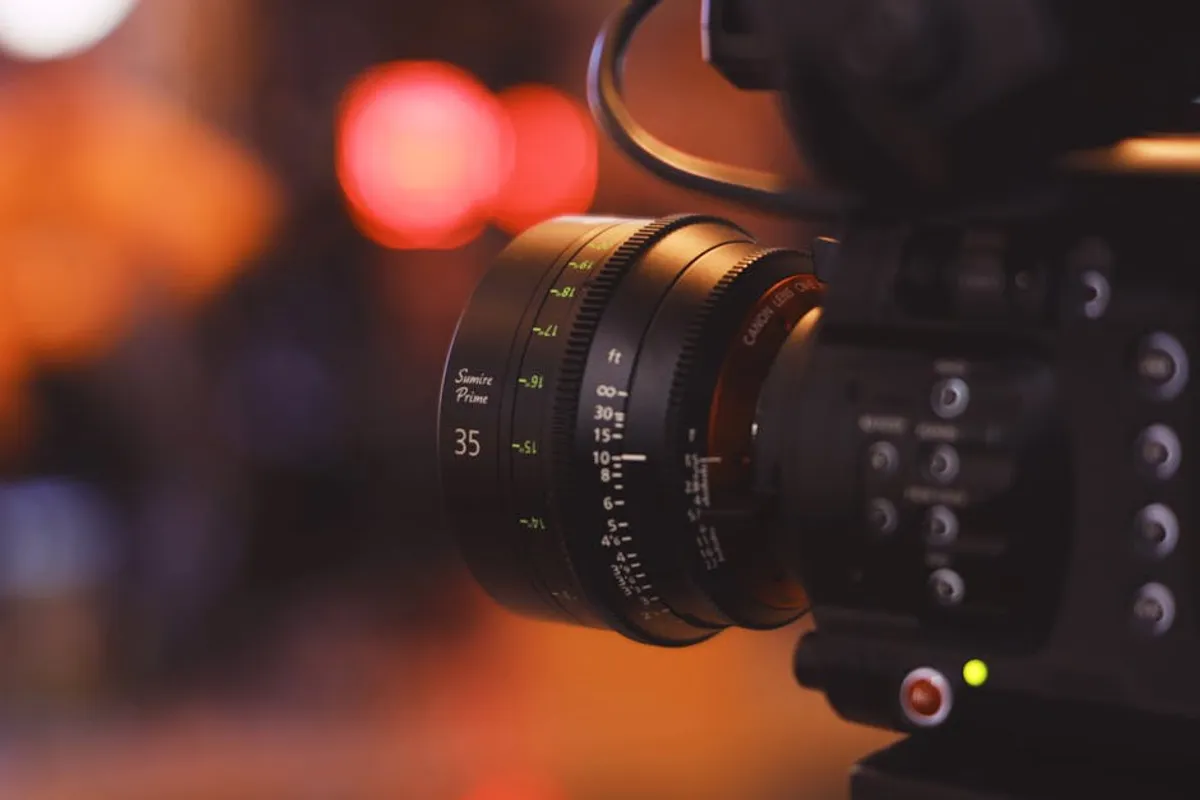
Cinematography Tips operates as a specialized resource designed to demystify the art and science of visual storytelling through motion pictures. It functions by breaking down complex film techniques into actionable advice, catering to a broad audience from aspiring filmmakers and videographers to seasoned professionals seeking to refine their craft or stay current with industry trends. The core utility lies in its ability to translate theoretical concepts into practical application, enabling users to enhance their production quality, visual impact, and narrative clarity.
Content Pillars and Structured Learning
The platform organizes its educational material across several key content pillars, ensuring a comprehensive approach to cinematography. This structured delivery allows users to navigate topics ranging from foundational principles to advanced methodologies, addressing specific skill gaps or areas of interest.
Foundational Techniques and Theory
This pillar covers the bedrock of cinematography, essential for anyone starting out or needing a refresher. It details concepts such as the exposure triangle (aperture, shutter speed, ISO), white balance, frame rates, and resolution. Understanding these elements is crucial because they directly influence the technical quality and aesthetic of captured footage. For instance, precise white balance ensures color accuracy, while appropriate frame rates dictate motion fluidity, impacting everything from documentary realism to cinematic slow-motion effects.
Lighting Principles and Application
Effective lighting is a cornerstone of compelling visuals. Cinematography Tips dissects various lighting setups—including three-point lighting, motivated lighting, and natural light utilization—explaining their purpose and execution. It details how different light sources, modifiers (diffusers, reflectors), and angles can sculpt a scene, create mood, and direct audience attention. Practical examples often illustrate how a subtle change in key light position can transform a flat image into one with depth and emotional resonance. Applying these tips for better cinematography can elevate your visual storytelling.
Camera Movement and Composition
Beyond static shots, the resource explores dynamic camera work. This includes explanations of dolly shots, crane shots, handheld techniques, and gimbal stabilization, articulating when and why each movement serves a specific narrative or aesthetic goal. Compositional rules like the rule of thirds, leading lines, and negative space are also covered, providing guidelines for framing shots that are visually balanced and impactful. The emphasis is on how deliberate movement and framing contribute to storytelling, guiding the viewer's eye and enhancing emotional connection.
Gear Guides and Workflow Optimizations
While techniques are paramount, understanding the tools is also vital. This section reviews various cameras, lenses, grip equipment, and post-production software from a practical, user-centric perspective. It doesn't just list specifications but explains how specific gear choices impact creative outcomes and workflow efficiency. For example, a discussion on prime versus zoom lenses highlights their respective advantages in terms of image quality, low-light performance, and creative flexibility, helping users make informed investment decisions based on their project needs and budget constraints.
Delivery Mechanisms and User Engagement
Cinematography Tips employs a multi-faceted approach to content delivery, ensuring accessibility and varied learning preferences are accommodated. This includes:
- In-depth Articles: Text-based explanations with supporting images and diagrams, offering detailed dives into specific topics. These often serve as foundational reference points.
- Video Tutorials: Visual demonstrations of techniques, gear operation, and on-set scenarios. Video is particularly effective for illustrating dynamic concepts like camera movement or lighting adjustments.
- Case Studies: Analysis of famous film scenes or specific projects, breaking down the cinematography choices made and their impact. This provides real-world context and inspiration.
- Practical Exercises: Suggested assignments or prompts designed to encourage hands-on application of learned concepts, fostering skill development through practice.
Pro Tip: When consuming cinematography content, don't just passively read or watch. Actively replicate the techniques discussed. Set up your own shots, experiment with lighting, and analyze your results. Practical application solidifies theoretical understanding far more effectively than mere observation.
Target Audience and Commercial Relevance
The resource is commercially relevant to several professional segments:
For independent filmmakers and videographers: It offers accessible training that can elevate production value without requiring expensive film school tuition. Improved cinematography directly translates to more compelling portfolios and higher-paying client work.
For marketing agencies and content creators: Understanding advanced visual techniques allows for the creation of more engaging and professional branded video content. Better cinematography helps differentiate campaigns, capture audience attention, and convey brand messages more effectively, leading to improved campaign performance and client satisfaction.
For educators and students: It serves as a supplementary learning tool, providing clear explanations and practical examples that complement academic curricula. This can enhance student comprehension and practical skills, preparing them better for industry demands.
For businesses producing in-house video: Enables internal teams to produce higher-quality corporate videos, training materials, and social media content, reducing reliance on external vendors and controlling costs while maintaining a professional image.
Optimizing Your Visual Storytelling
To maximize the utility of Cinematography Tips, focus on integrating its insights into your existing workflow. Identify specific areas where your visual content could improve—be it lighting consistency, dynamic framing, or color grading—and then seek out the relevant modules or articles. Treat the platform not just as a library of information but as a practical workshop. Regularly review your own work through the lens of the principles discussed, applying critiques to future projects. This iterative process of learning, applying, and refining is how significant improvements in visual storytelling are achieved, directly impacting the perceived quality and commercial effectiveness of your productions. Embracing best practices in cinematography will significantly improve your workflow and final product.
Frequently Asked Questions
What level of experience is required to benefit from Cinematography Tips?
The resource is designed to cater to a wide range of experience levels, from absolute beginners learning basic camera functions and compositional rules to experienced professionals seeking advanced techniques or specific workflow optimizations. Content is often categorized by difficulty or topic, allowing users to find relevant material.
How often is new content added to the platform?
Content updates vary but typically occur on a regular schedule, such as weekly or bi-weekly. This ensures that the information remains current with evolving industry standards, new gear releases, and emerging techniques in visual production.
Are there opportunities to interact with other users or experts?
Many such platforms incorporate community features like forums, comment sections, or social media groups. These spaces allow users to ask questions, share their work, receive feedback, and engage in discussions with peers and sometimes even industry professionals associated with the platform.